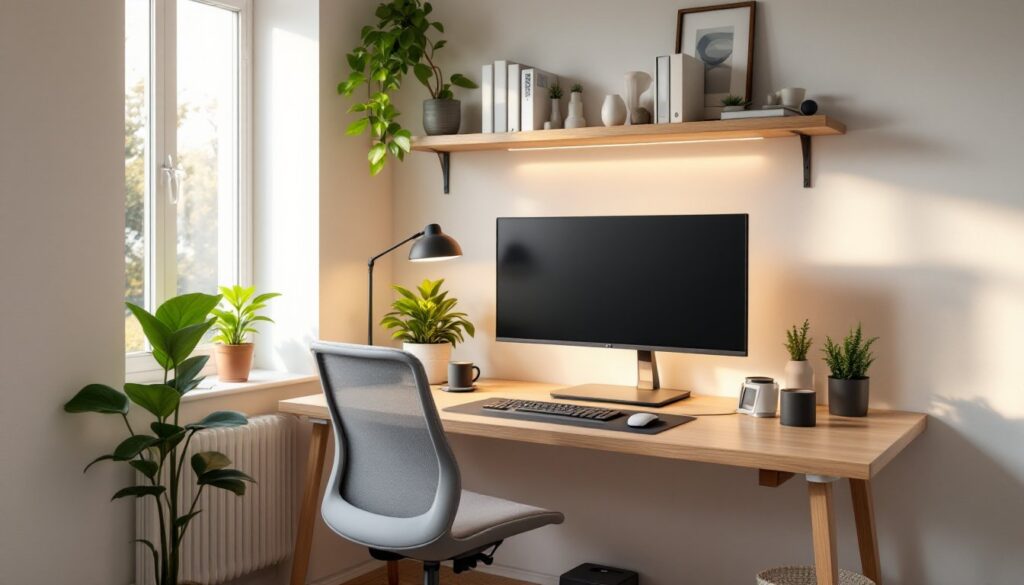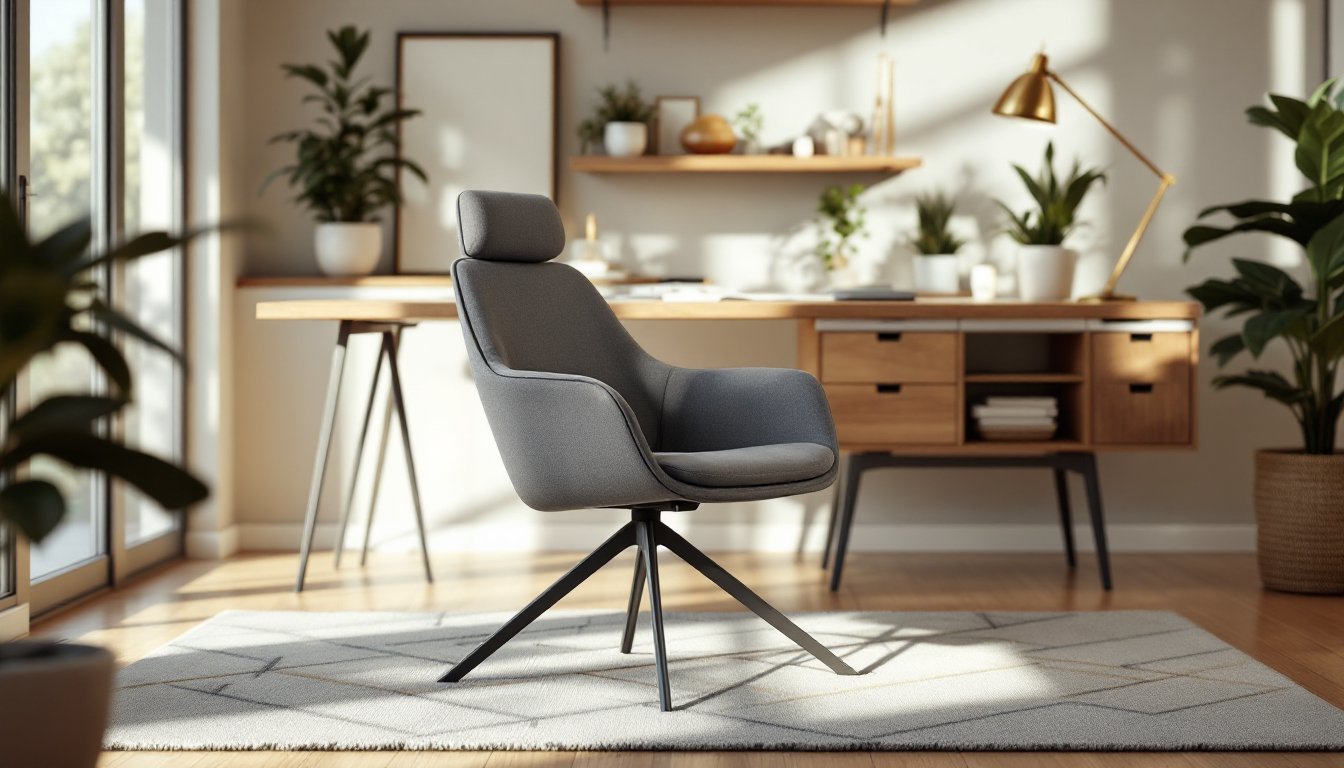
A cross-legged office chair isn’t just a seating option, it’s a statement that your workspace doesn’t have to feel corporate or cramped. Whether you’re handling back-to-back video calls or deep-focus work, the best cross-legged office chairs blend modern design with functional support, giving you a relaxed yet professional look. These chairs have gained traction in home offices because they offer style, flexibility, and a refreshing departure from the standard rolling task chair. If you’re shopping for seating that keeps you comfortable during long workdays while adding visual interest to your office, you’re in the right place.
Table of Contents
ToggleKey Takeaways
- The best cross-legged office chairs combine modern design with ergonomic support, offering a stylish alternative to standard corporate seating that suits home offices and professional spaces alike.
- Quality materials matter: prioritize hardwood frames, high-density foam (1.5+ inches thick), and durable upholstery like leather or performance fabrics to ensure your cross-legged office chair lasts 5+ years with daily use.
- Proper ergonomic features—including height adjustability, adequate seat depth (16–18 inches), lumbar support, and armrests—prevent discomfort and reduce fatigue during long work sessions.
- Cross-legged office chairs come in three budget tiers: entry-level ($300–$600) for part-time users, mid-range ($600–$1,200) for full-time remote workers seeking durability, and premium ($1,200+) for heirloom-quality investment pieces.
- Style your cross-legged chair by balancing it with your desk layout: keep surroundings minimal if the chair is bold, maintain proper desk height (28–30 inches) for arm positioning, and repeat wood tones for visual cohesion.
- Avoid sacrificing comfort for aesthetics—a stunning cross-legged office chair that causes back pain defeats its purpose; always test adjustability and support before committing to a purchase.
Why Cross-Legged Office Chairs Are Game-Changers for Home Offices
Cross-legged office chairs solve a real problem: standard desk seating often feels institutional and takes up a lot of visual real estate. A cross-legged design, where the chair’s legs spread outward in an X or angled formation, creates a more compact footprint and a distinctly modern silhouette that photographs well and fits naturally into residential spaces.
The appeal goes beyond aesthetics. These chairs encourage better posture by their structure: the wider base forces you to sit more upright, which reduces slouching during long work sessions. They’re also incredibly versatile. Whether your home office leans minimalist, mid-century modern, or eclectic, a well-chosen cross-legged chair works as both functional seating and a design anchor for the room.
For remote workers and freelancers, the psychological shift matters too. A chair that doesn’t scream “corporate” helps create an environment that feels personal and inviting, not like you’ve smuggled office furniture into your bedroom. Plus, many cross-legged models are lighter and easier to move than heavy task chairs, so rearranging your workspace doesn’t require a second person or heavy-lifting equipment.
Key Features to Look for in a Cross-Legged Office Chair
Material Quality and Durability
The best cross-legged office chairs start with solid construction. Look for hardwood frames, typically oak, walnut, or engineered wood with a veneer, rather than particle board or MDF (medium-density fiberboard), which sags under regular use. The seat and back should use high-density foam (at least 1.5 inches thick) wrapped in durable upholstery. Leather, performance fabric, or linen blends resist staining and wear better than cheaper polyester, and they age more gracefully.
Legs matter more than you’d think. Solid wood or powder-coated metal legs outlast stamped metal or hollow construction. If the chair includes casters (wheels), they should roll smoothly on hardwood and carpet alike without locking up. Spindles and joinery, the connections between seat, back, and legs, should feel tight and secure: any wiggle indicates poor assembly or low-quality hardware.
Adjustability and Ergonomic Support
Even a beautiful chair stops being beautiful when your back hurts after an hour. A proper cross-legged office chair should offer height adjustment (usually via pneumatic cylinder, a gas-lift mechanism that lets you move up and down smoothly). The seat should be deep enough that your thighs rest fully without the edge cutting off circulation, typically 16 to 18 inches deep.
Backrest support is critical. Opt for chairs with lumbar support (a gentle curve in the lower back area) or chairs where the backrest reclines or adjusts forward and backward. Armrests, while optional, should be padded and height-adjustable: they reduce shoulder strain during typing. Seat tilt and recline features let you shift your posture throughout the day, which reduces fatigue. Don’t sacrifice comfort for aesthetics, a chair that looks stunning but leaves you sore defeats the entire purpose.
Top Cross-Legged Office Chair Options for Every Budget
Budget-friendly ($300–$600): Entry-level cross-legged chairs from IKEA and similar retailers offer solid value for casual users or guest seating. These typically feature simple wood frames, basic foam cushioning, and minimal adjustment options. They won’t last a decade of daily use, but they work well for part-time remote work or styling a space without very costly. Brands like IKEA often appear on IKEA Hackers with customization tips to improve durability and comfort.
Mid-range ($600–$1,200): This is where you find the sweet spot for most home offices. Brands in this range use better hardwood, thicker foam, and offer adjustable height and tilt features. Many include armrests, deeper seats, and more refined upholstery options (leather, performance fabrics, or natural fibers). You’re investing in a chair you’ll use 40+ hours per week and want to keep for 5+ years.
Premium ($1,200+): High-end cross-legged office chairs combine impeccable materials (solid hardwoods like walnut, Italian leather, hand-tied springs beneath the foam) with superior ergonomic engineering. They often come from furniture makers focused on design and durability, with warranties reflecting that confidence. These chairs are heirloom pieces, beautiful enough to keep even if your home office layout changes. Design publications like Design Milk and Dwell frequently feature premium office seating that balances form and function.
How to Style a Cross-Legged Office Chair in Your Home Office
A cross-legged chair is a design statement, so pairing it with the right surroundings makes all the difference. If your chair is upholstered in a bold color or pattern, keep your desk surface clean and minimal, a simple wooden or glass top lets the chair shine. Conversely, if your chair is neutral (charcoal, tan, black, natural wood), you have freedom to layer in texture and color through your desk accessories, rug, and wall art.
Scale matters. A low-slung cross-legged chair reads cozier and works better in compact spaces, while taller cross-legged models with higher backs command attention and suit larger offices. Pair a mid-height chair with a desk height of 28–30 inches: your forearms should rest parallel to the floor when seated. Position the chair so the backrest isn’t cramped against a wall, cross-legged designs often have a subtle rear angle that needs clearance.
Lighting, too, shapes the overall feel. A brass or wood-based desk lamp complements the organic lines of a cross-legged chair better than ultra-modern chrome fixtures. If your chair has a natural wood frame, repeat that wood tone elsewhere, a shelving unit, picture frames, or a side table creates visual cohesion without looking staged. The goal is for the chair to feel like a natural part of your office, not like you wheeled in a museum piece.
Conclusion
The best cross-legged office chair for your home isn’t just about looks, it’s about finding the intersection of comfort, durability, and design that fits your space and budget. Whether you’re buying at the entry level or investing in a premium piece, prioritize quality materials, proper support, and honest self-assessment of how many hours you’ll spend sitting. Your home office chair deserves the same care and consideration you’d give to any other major furniture purchase.