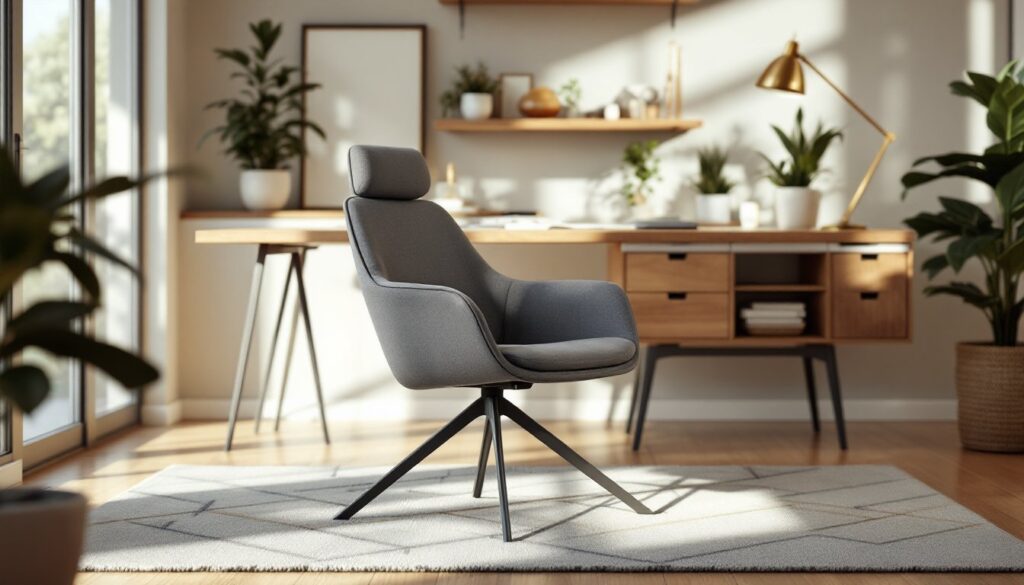
An office chair mat seems simple, just a piece of plastic under your seat, right? Not quite. The right chair mat protects your flooring from the daily abuse of rolling casters, prevents sliding on hard surfaces, and can extend the life of both your floor and chair by years. Whether you’re setting up a home office on hardwood, laminate, tile, or carpet, choosing the wrong mat can damage your floors or fail to do the job entirely. This guide walks you through what matters when selecting a chair mat and highlights practical options for different floor types, so you can protect your investment and keep your workspace functional.
Table of Contents
ToggleKey Takeaways
- A quality best office chair mat protects floors from caster damage, prevents chair sliding, and can extend floor and furniture lifespan by years.
- Match your mat to your floor type: polycarbonate for hardwood and laminate, studded vinyl for carpet, and high-friction backing for tile to ensure effective protection.
- Optimal chair mat thickness ranges from 3/16 inch for hard floors to 1/4 inch for carpet, with 1/8 inch minimum to avoid tripping hazards and ensure durability.
- Polycarbonate mats offer superior durability and resist staining and yellowing better than vinyl, providing 5–7 years of reliable performance with normal office use.
- Proper installation requires a clean, dry floor and strategic positioning with at least 12-inch forward margin, plus regular maintenance through weekly vacuuming or wiping to maximize protection.
Why Your Office Needs a Quality Chair Mat
Rolling an office chair across a bare floor dozens of times a day will damage almost any surface. Hardwood floors get gouged and scratched. Laminate and vinyl planks develop permanent indentations from caster wheels. Carpet matting occurs in high-traffic areas under the chair base. A quality mat distributes the chair’s weight and shields the floor from direct contact, it’s insurance, not decoration.
Beyond floor protection, a mat improves chair mobility. On carpet, rolling a chair without a mat is like pushing through sand, the casters sink into the fibers, and every movement takes extra effort. A hard mat over carpet lets the chair glide smoothly. On hard floors, a mat with the right surface texture prevents slipping while still allowing easy movement. This isn’t a luxury: it affects your daily comfort and productivity.
Building codes and rental agreements often have stipulations about floor damage in shared spaces. In a rented apartment or office, a mat is your proof of care. If your landlord takes the deposit over floor damage, a chair mat photo from day one is your documentation that you tried to prevent it.
Key Features to Look For in an Office Chair Mat
Not all mats are created equal, and the wrong choice won’t protect your floors or serve your needs. A few core features separate effective mats from ones that’ll disappoint you.
Floor Compatibility and Protection Level
The first rule: your mat must match your floor type. A plastic mat designed for carpet can stain or damage hardwood. A mat too soft for hard floors doesn’t provide a smooth rolling surface. Hardwood and laminate floors need a hard, smooth-surfaced mat, typically polycarbonate or vinyl, 1/8 to 3/16 inches thick. These materials slide easily under chair wheels and protect against indentation. Carpet requires a mat with studs or grips on the underside to prevent sliding, usually made of vinyl or polycarbonate as well. Tile and stone benefit from mats with a non-skid backing so the mat doesn’t migrate under the chair.
Thickness matters, too. A mat thinner than 1/8 inch offers minimal protection. Mats thicker than 1/4 inch can create a tripping hazard at doorways and make rolling more difficult. Standard thickness for hard floors is 3/16 inch: for carpet, 1/4 inch works well to compress slightly and anchor with studs.
Shape and size are practical considerations. A 48×36 inch mat covers the typical chair footprint plus movement space. For tight corners or home offices, 60×36 inches or custom shapes work. Mats with beveled edges reduce tripping hazards compared to sharp, flat edges.
Material Durability and Ease of Cleaning
Polycarbonate is the gold standard for durability. It resists staining, yellowing, and cracking under UV light better than standard vinyl. A polycarbonate mat will last 5–7 years with normal office use. Vinyl is cheaper but may yellow or become brittle over time, especially in sunny spaces.
Cleaning is straightforward but essential. Most mats can be vacuumed (for carpet pile) and wiped down with a damp cloth and mild soap. Some plastics can attract dust and pet hair, so weekly vacuuming keeps them looking fresh. Avoid harsh chemicals, bleach and strong solvents can degrade vinyl. If your office pet or kids track in mud, a mat with a smooth, non-porous surface is easier to maintain than a textured one. Check product specs for cleanability: some premium mats explicitly resist staining and discoloration.
Top Office Chair Mat Options for Different Floor Types
Choosing the right mat for your floor type is the key decision. Here’s what works for each scenario.
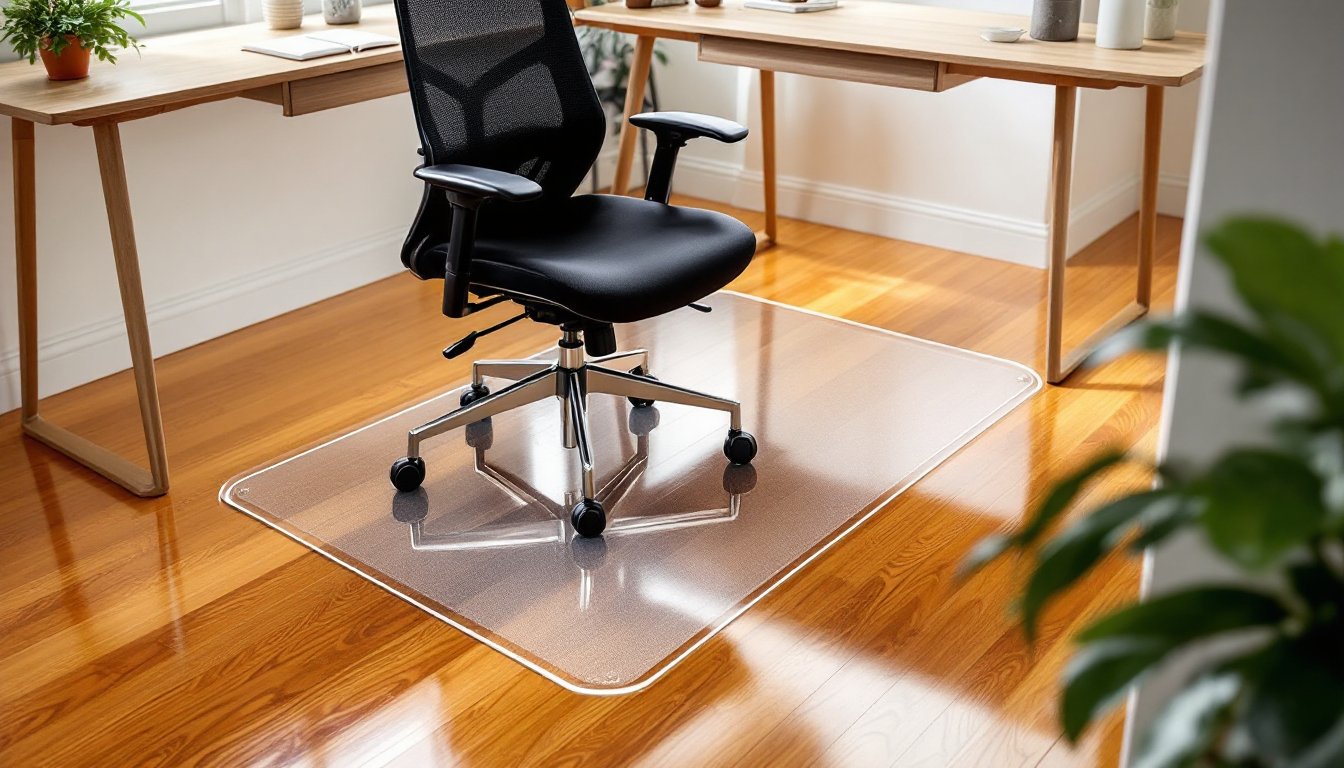
For Hardwood Floors: Hardwood is the most vulnerable to caster damage, so protection is critical. A clear polycarbonate mat with a hard, smooth surface and 3/16-inch thickness is ideal. The mat should have a non-skid backing to prevent sliding across the wood. Popular options include mats with a slight convex shape, which reduces edge lift and keeps the mat stable. Cost ranges from $50–$120 depending on size and material quality. Look for UV-resistant polycarbonate if your office gets strong sunlight: regular vinyl may yellow after a year.
For Laminate and Vinyl Plank Floors: Laminate and vinyl plank are softer than real hardwood and prone to indentation. A hard polycarbonate or rigid PVC mat provides necessary protection without being too thick (thickness can create an awkward lip at door transitions). 36×48 inches is standard. These mats typically cost $40–$100. The key is ensuring the mat has a smooth underside so it glides without catching on the floor’s seams.
For Carpet: Carpet needs a different approach. A studded-bottom vinyl mat (studs grip carpet fibers and prevent mat migration) works best. These are usually slightly thicker, around 1/4 inch, to compress slightly into carpet pile. Cost runs $35–$90. Mats made for carpet often have a non-glare surface to reduce reflection under desk lamps. Some people prefer mats with a felt or low-friction top surface for chair mobility.
For Tile and Stone: Hard-surface tile needs a mat that won’t slide and cause tripping. Mats with a high-friction underside or a rubber-backed mat stay put. Tile is less vulnerable to indentation than wood, so a standard-thickness mat ($30–$70) is sufficient. Clear or lightly tinted mats don’t show dust as obviously on tile.
When browsing, recent reviews and expert comparisons highlight how different mats perform. Independent testing of office chair mats from CNET evaluates durability and floor protection across surfaces, giving you real-world perspective. Good Housekeeping’s lab-tested office chair mats show performance metrics on durability and material quality. Both resources help narrow down options based on verified results rather than guesswork.
Installation Tips and Maintenance Best Practices
Installing a chair mat is straightforward, but a few steps ensure it works as intended.
Preparation and Placement
Start with a clean floor. Sweep or vacuum thoroughly to remove dust and debris, these particles get trapped under the mat and can scratch your floor. If your floor is sticky or has residue, wipe it with a damp cloth and let it dry completely. A mat laid on a wet or dusty surface can trap moisture, which eventually damages flooring.
Position the mat so your chair’s footprint is covered, with extra space in front and to the sides for rolling. Leave at least a 12-inch margin on the forward side (where you’ll roll most) and 6 inches on the sides. For carpet, the studded underside will grip the carpet naturally: for hard floors, the mat will sit flat. If the mat edges curl after sitting, use painter’s tape for a day or two to hold them flat while the plastic relaxes. Clear mats show floor imperfections, so inspect your floor under the mat periodically.
Ongoing Maintenance
Vacuum the mat every 1–2 weeks if it’s over carpet to remove dust and pet hair. For hard-floor mats, a quick sweep and weekly wipe-down with a slightly damp cloth keeps it clean. Never use a mop or flood the mat with water, moisture underneath degrades both the mat and the floor.
If stains appear, mild soap and water remove most marks. Dry thoroughly with a cloth. Avoid putting heavy objects on the mat long-term: concentrated weight (like a filing cabinet) can compress plastic and create a permanent dent. Move your chair periodically so wear is distributed evenly, not just in one rolling path.
Over time, inspect the mat’s underside. If the studded backing on carpet mats shows wear or flattening, the mat is reaching the end of its life. A worn-out mat no longer grips carpet and loses its protective benefit. Most quality mats last 5–7 years with regular office use, so budget for replacement as part of your workspace maintenance.
Conclusion
A chair mat is one of the smallest investments you’ll make in your office, and one of the most effective at protecting your floors. Pick the right mat for your floor type, polycarbonate for hard surfaces, studded vinyl for carpet, and your floors will thank you. Clean it occasionally, position it thoughtfully, and you’ll get years of protection. When it’s time to replace it, you’ll know exactly what worked and what didn’t. That’s how a good workspace stays functional and damage-free.