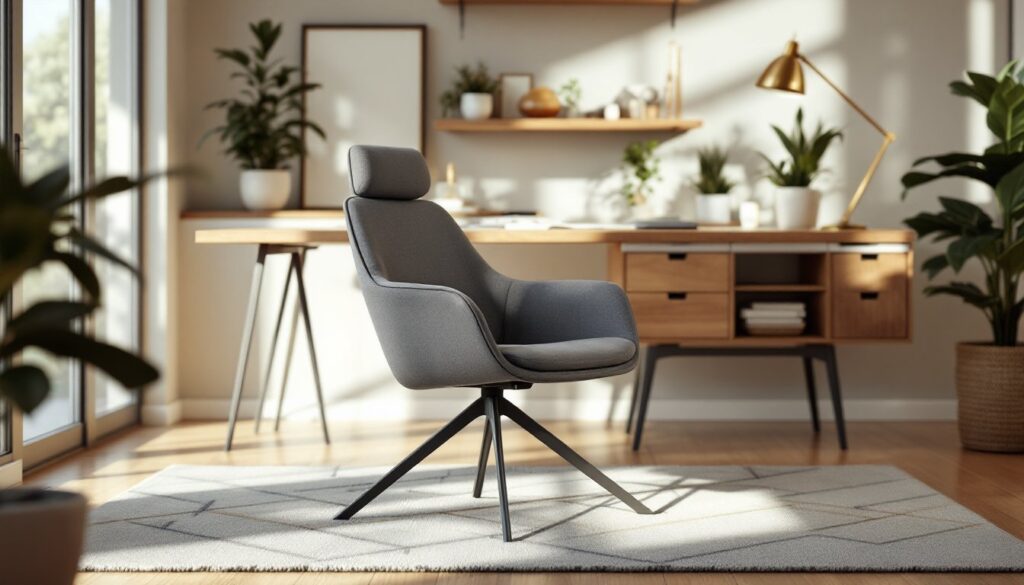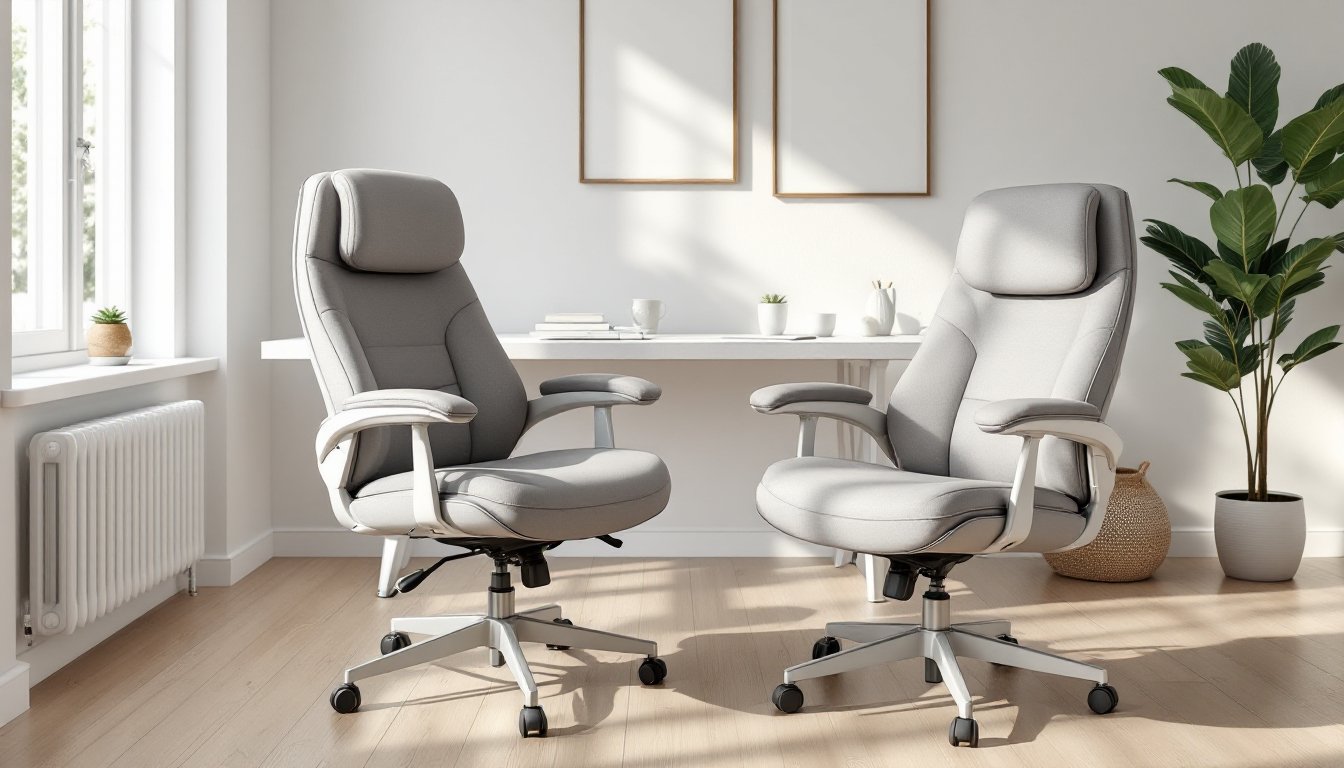
Shared office spaces have become mainstream, whether you’re running a home-based business, hosting a co-working corner, or simply need flexible seating for clients and collaborators. A 2-person office chair, designed with dual-occupancy comfort in mind, bridges the gap between a traditional single-seat chair and a full sofa. Unlike conventional office seating, these chairs accommodate two people without sacrificing ergonomic support or taking up excessive floor space. If you’ve been squinting at specs and wondering whether one is right for your workspace, this guide walks you through what they are, why they matter, and how to pick the best one for your needs.
Table of Contents
ToggleKey Takeaways
- A 2-person office chair is a hybrid seating solution designed with dual-occupancy comfort, featuring a wider seat (48–60 inches), reinforced base, and combined weight capacity of 400–600 pounds, making it ideal for shared workspaces without sacrificing ergonomics.
- The primary advantage of a 2-person office chair is space efficiency, occupying 25–30% less floor space than two separate desk chairs while providing genuine lumbar support and higher-density cushioning (2–4 inches) to reduce fatigue during longer sessions.
- When selecting a 2-person office chair, prioritize adjustable lumbar support, seat depth of 25–28 inches, adjustable armrests, and smooth swivel and recline mechanisms to ensure both occupants can maintain proper ergonomic positioning at 90-degree angles.
- High-density foam (1.8–2.2 lb/ft³ or higher), hardwood frames, and performance fabrics rated for high abrasion are critical durability factors that extend your chair’s lifespan to 5+ years in daily use.
- Before purchase, measure your space carefully and add 6 inches on each side for armrest overhang, verify the chair’s weight capacity with a 20% buffer above your combined weight, and ensure seat height is adjustable between 17–21 inches for proper knee alignment.
What Is A 2-Person Office Chair?
A 2-person office chair is a hybrid seating solution that sits between a standard desk chair and a small sofa. Structurally, it features a wider seat (typically 48–60 inches across), reinforced base, and integrated armrests or cup holders designed for two adults to use simultaneously or alternately. Unlike a traditional office chair built for one, these units have a higher weight capacity, often rated for 400–600 pounds combined, and a more substantial frame to handle the extra stress.
These aren’t just wide chairs: they’re engineered differently. The backrest is typically longer and shaped to support two spines at once. The seat cushion is divided into zones to accommodate different postures, and the base is wider or reinforced to prevent tipping. Think of it as a compact sectional designed for productivity, not casual lounging.
You’ll find them in co-working spaces, small law offices, startup break rooms, and home offices where space and collaboration are priorities. They’re especially popular in modern design-forward workplaces because they signal flexibility and teamwork rather than isolated desk work.
Key Benefits For Shared Workspaces
The primary advantage of a 2-person office chair is efficiency. Instead of dedicating two desk chairs or a bulky sofa, you get one compact piece that works for client meetings, brainstorming sessions, or collaborative work. A single chair occupies roughly 25–30% less floor space than two separate desk chairs, which matters when every square foot counts in a home office.
Comfort is the second win. Because the seat is wider and the backrest taller, both occupants get genuine lumbar support rather than one person perched on an armrest. The cushioning is typically higher-density foam (2–4 inches thick) compared to standard office chairs, reducing fatigue during longer sessions.
They’re also versatile. In a slow moment, one person can recline slightly while the chair remains stable. The dual-occupancy design means guests or team members don’t need to hunt for a second seat. Many models include contemporary furniture aesthetics, upholstered in linen, performance fabric, or leather, so they look polished in professional settings rather than purely functional.
From a durability standpoint, 2-person chairs are built heavier. Reinforced frames (often hardwood or steel) and premium casters rated for continuous movement make them last longer than budget office chairs. You’re investing in a piece that handles real workplace demands.
Finding The Right Size And Capacity
Before ordering, measure your space. A 2-person office chair typically spans 48–60 inches wide, 30–32 inches deep, and 32–42 inches tall (backrest top). Add 6 inches on each side for armrest overhang when the chair swivels. If your nook is tight, a 48-inch model works: for a spacious corner, aim for 54–60 inches.
Weight capacity matters more than you might think. Check the manufacturer’s specifications, most reputable brands list combined capacity (e.g., “600 lbs total”) and sometimes per-person limits. If you’re pairing an average-weight person with someone heavier, verify the distribution. A good rule: add 20% buffer. If two people total 350 pounds, aim for a chair rated 420+ pounds.
Height is critical for ergonomics. The seat should be adjustable (typically ranging 17–21 inches from floor to cushion top) so both users can align their knees at a 90-degree angle when their feet rest flat. Some 2-person chairs have fixed heights, avoid these unless you’re certain they’ll work for your body types. Armrest height should allow your elbows to rest comfortably without hunching.
If you’re customizing or building, remember nominal versus actual dimensions. A “2×4” lumber measures roughly 1.5 × 3.5 inches actual, and upholstered frames shrink slightly. Prototype or order a sample if possible. Retailers like Houzz for professionals often provide detailed spec sheets and allow you to filter by height, depth, and capacity, use those filters ruthlessly.
Essential Features To Look For
Ergonomics And Comfort Considerations
Ergonomics aren’t optional if you’re sitting for 8+ hours weekly. Look for adjustable lumbar support, a lower-back cushion or support panel that moves up or down to match your spine’s natural curve. Fixed lumbar isn’t ideal because bodies vary.
Seat depth is overlooked but critical. A depth of 25–28 inches allows someone 5’6″ to 6′ tall to sit with their back against the rest and knees slightly bent without thigh pressure. Too shallow, and you’re perched: too deep, and you’re sliding around.
Armrests should be height-adjustable (ideally 7–10 inches of range) and positioned so your elbows rest at roughly 90 degrees. Fixed armrests often work for one person but cramp the second.
Swivel and recline mechanisms matter. A smooth 360-degree swivel with a reliable cylinder (pneumatic gas lift) prevents jerky movements. Recline should be smooth and lockable at multiple angles, avoid models that snap between two positions. Tension control lets you adjust how stiffly the chair responds to your weight.
Top Materials And Durability
Upholstery choice affects longevity and maintenance. Performance fabrics (polyester blends rated for high abrasion) resist stains and last 5+ years in daily use. Leather and faux leather look professional but require regular conditioning and show wear faster in high-traffic spaces.
Base construction is where durability happens. A five-star base with dual or reinforced legs is standard for 2-person chairs. Steel frames outperform plastic in load-bearing and longevity. Check if the base has nylon or polyurethane casters rated for hardwood and carpet: most modern chairs roll smoothly on both, but budget models sometimes get stuck.
Cushioning density matters. Look for high-density foam (1.8–2.2 lb/ft³ or higher), which resists compression and maintains shape after 12–24 months of use. Cheap foam flattens quickly, turning a comfortable chair into a hard plank.
Frames should be hardwood (oak, birch, or plywood core) rather than particle board. Inspect joints, mortise-and-tenon or dowel construction beats staple-and-glue for longevity. If you’re sourcing components for a DIY build, furniture building guides provide detailed specs on frame assembly and upholstery attachment.
Setup And Installation Tips For Your Home Office
Most 2-person office chairs arrive partially assembled. Unpack and inspect everything before assembly, check for shipping damage, missing hardware, or upholstery snags. Let the chair sit in your climate for 24–48 hours so cushioning and materials acclimate.
Assembly basics: Locate your hardware pack and lay out all screws, bolts, and washers before starting. Use a power drill with a Phillips bit to save your hands, but switch to manual control for the final tightening, over-torquing can strip threads.
Attach the base first. Most 2-person chairs have a five-point or reinforced four-point base that bolts to the seat plate underneath. Align the bolt holes perfectly: misalignment causes wobbling. Hand-tighten all bolts before final tightening with your drill on low speed.
Install casters (wheels) into the base sockets. Ensure they’re all seated fully, a loose caster destabilizes the entire chair. Test roll it across your floor before adding a person.
Adjust the seat height using the gas cylinder adjustment lever (typically under the seat on the right side). Some models come pre-set: others require manual positioning. Sit and confirm your feet rest flat with knees at 90 degrees.
If your chair reclines, test the mechanism gently. Lock it in place once you find your preferred angle. Check that armrests aren’t twisted and that the backrest is vertical or slightly reclined as intended.
For placement, set the chair on a hardwood or laminate floor if possible, carpet can be grippier than intended, making it harder to glide. Avoid placing it directly in sunlight, which can fade upholstery over time. Leave 12–18 inches of clearance behind for reclining without hitting a wall.
Maintenance is straightforward. Vacuum upholstered surfaces monthly with a soft brush attachment. Wipe down plastic and metal parts with a slightly damp microfiber cloth. If a spill happens, blot immediately (don’t rub) with a damp cloth, then air-dry. Check bolts and casters every 6 months and tighten or replace as needed.