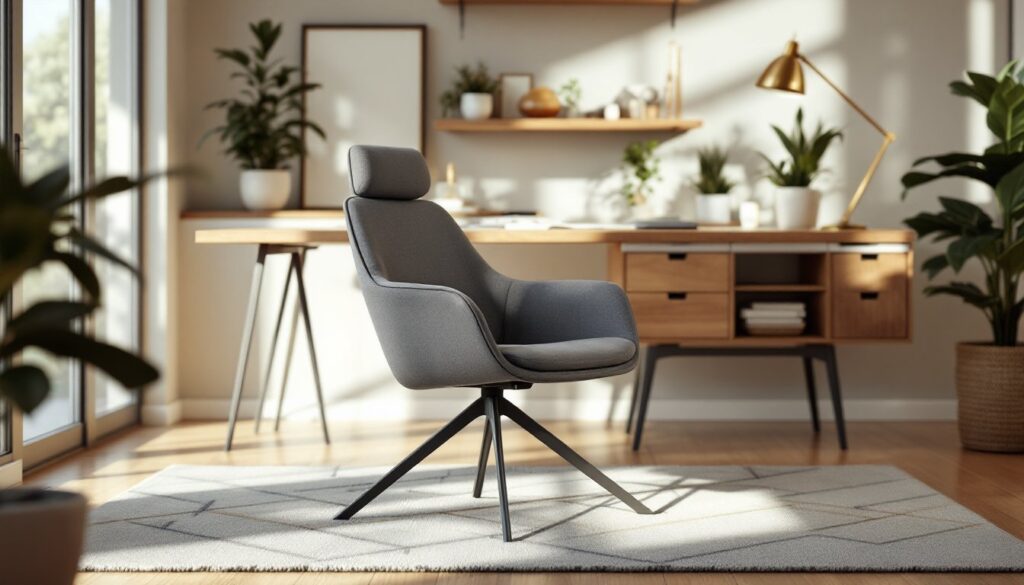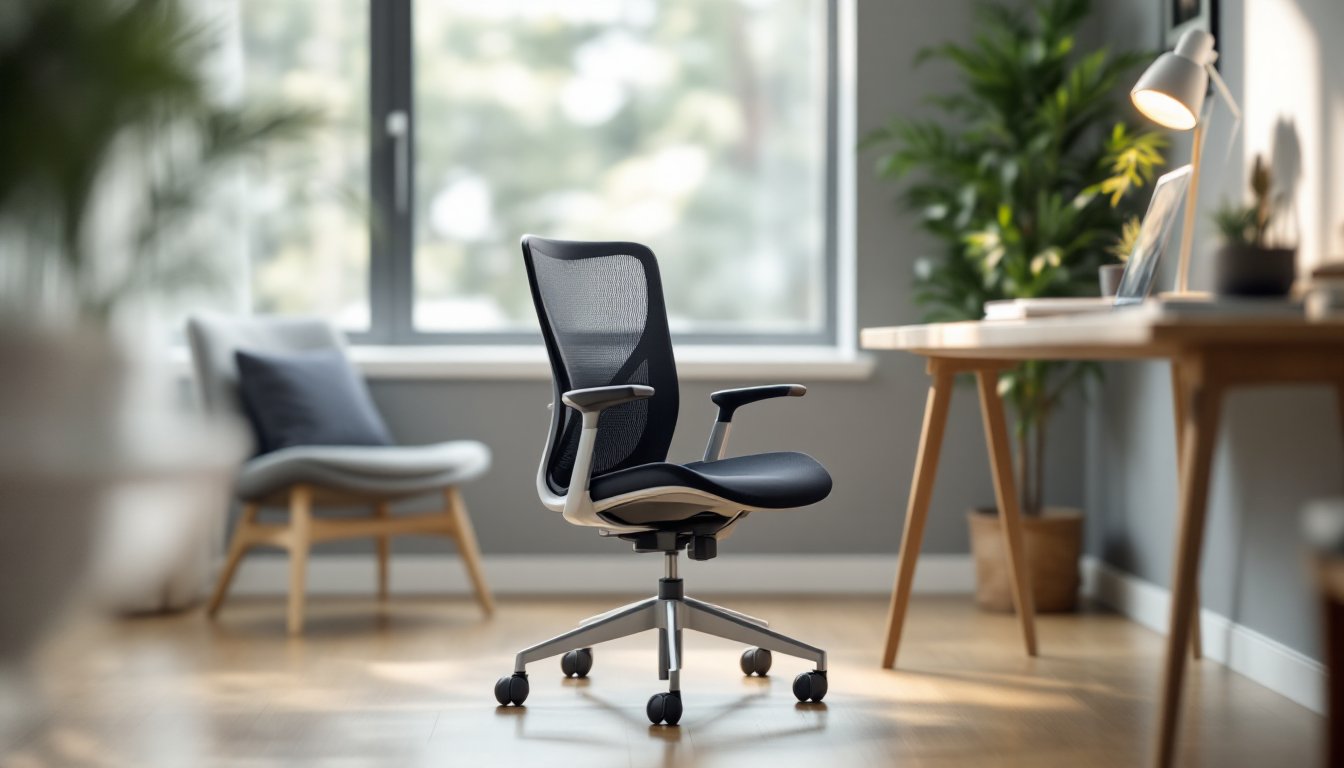
Choosing an office chair for your home workspace is one of those decisions that affects your daily comfort and long-term health. Herman Miller chairs have built a reputation for combining thoughtful ergonomics with clean design, and they’ve dominated home office setups for good reason. Whether you’re settling into remote work permanently or upgrading from that creaky old task chair, understanding the differences between Herman Miller’s top models, and which one fits your needs, can save you from a costly mistake. This guide breaks down the best options so you can invest in a chair that’ll actually support you through eight-hour workdays without very costly (or your back).
Table of Contents
ToggleKey Takeaways
- Herman Miller office chairs combine advanced ergonomics with durability, backed by 12-year warranties and designed to support 40+ hour work weeks without compromising your spine.
- The Aeron offers the best balance of comfort, adjustability, and value for most home office workers, featuring PostureFit lumbar support and three size options.
- The Mirra 2 provides modern, lightweight design with automatic backfit technology for users who prefer contemporary aesthetics and frequently shift positions throughout the day.
- The Embody is the premium choice for professionals working 10+ hours daily or managing chronic back pain, with extensive customization options and precision spinal support.
- Choose your best Herman Miller office chair based on daily sitting duration, physical frame size, workspace design, and budget—prioritizing the Aeron for most needs unless you have specialized requirements.
- Herman Miller chairs cost 30–50% more upfront than budget alternatives but deliver long-term value through superior comfort, posture support, and lifespan of a decade or more.
Why Herman Miller Chairs Stand Out for Home Offices
Herman Miller isn’t just slapping their name on a chair and calling it premium. Their products earn repeated mentions in office furniture reviews because they address real problems: lower-back pain, poor posture, and the physical toll of sitting eight hours a day. Each model incorporates research from ergonomic scientists, physical therapists, and actual workplace users.
The brand’s commitment goes beyond comfort, it’s about adaptability. Herman Miller chairs come with genuine adjustability: seat height, backrest angle, armrest positioning, and lumbar support that actually moves with your body instead of staying frozen in place. They also back their products with substantial warranties, typically 12 years on most models, which reflects confidence in durability.
Compare this to budget office chairs that offer a single recline angle and plastic armrests glued in place. After three months, the cushioning flattens, the base starts squeaking, and you’re leaning forward anyway because nothing supports your lower back properly. Herman Miller chairs cost more upfront, but they’re designed to last a decade or more with consistent use. For anyone spending 40+ hours a week sitting, that’s a practical investment.
Aeron: The Iconic Choice for All-Day Comfort
The Aeron is Herman Miller’s workhorse and arguably the most recognized ergonomic office chair worldwide. It debuted in 1994 and has been refined repeatedly without losing its core identity. If you’ve seen office workers in corporate settings, you’ve probably spotted an Aeron, it’s that iconic black mesh chair with the distinctive aluminum frame.
What makes the Aeron work is its PostureFit system, which targets your sacrum and lower spine with a subtle lumbar curve rather than a one-size-fits-all lumbar pillow. The chair comes in three sizes (A, B, C) based on your frame, so you’re not cramming a 5’2″ frame into a chair designed for someone 6’3″. The mesh back stays breathable across an eight-hour day, and the seat doesn’t trap heat like fabric or leather upholstery.
Adjustments on the Aeron include seat height, backrest tilt, armrest height and depth, and forward-tilt lock for focused work. The controls are intuitive, levers on the side, not buried underneath where you can’t reach them. Recent reviews from independent home office evaluators consistently praise its neutral support and long-term comfort without the “locked-in” feeling of heavier, more sculpted chairs.
That said, the Aeron sits in the mid-to-premium price range. If you’re comparing office chairs across brands, the Aeron costs roughly 30–40% more than basic ergonomic alternatives. But professionals and remote workers who’ve used both budget and premium chairs often say that investment paid off through reduced back strain and better posture over months of use.
Mirra 2: Modern Design Meets Lightweight Performance
The Mirra 2 is Herman Miller’s newer design, and it’s the chair for people who think office furniture doesn’t have to look boxy or corporate. It’s sleeker than the Aeron, with a lower profile and a backrest that’s more vertical, making it feel less “gaming chair” and more “minimalist desk companion.”
The Mirra 2 shares the Aeron’s PostureFit lumbar system but adds backfit technology, a mechanism that automatically adjusts to your spine’s natural curve as you recline. Unlike chairs where you manually crank a lumbar adjustment knob, the Mirra 2 adapts passively. For people who shift positions constantly throughout the day (and who doesn’t?), this is genuinely useful.
One practical advantage: the Mirra 2 is lighter than the Aeron. If you rearrange your home office every season or need to move it easily, that matters. The smaller footprint also works better in compact home offices where space is tight.
The trade-off is that the Mirra 2’s backrest is less densely padded than the Aeron’s. Some users find it feels less supportive for extended sessions, though others appreciate the more responsive, less “locked-in” feel. It’s also positioned at a similar or slightly higher price point than the Aeron, so cost isn’t the deciding factor, design preference and personal comfort sensitivity are. If you’re shopping for a design-forward office chair that doesn’t sacrifice ergonomic fundamentals, the Mirra 2 earns its place in modern home offices and creative studios.
Embody: Premium Support for Extended Work Sessions
The Embody is Herman Miller’s flagship and the most expensive model in their mainstream lineup. It’s the chair for people who spend 10+ hours daily seated or who struggle with back pain even though owning “good” chairs.
Embody’s selling point is its Backfit adjustment combined with the Cosm spinal deck, a curved backrest that maps to your spine’s anatomy more precisely than a simple PostureFit system. The seat itself incorporates a curved edge that reduces pressure on the underside of your thighs, improving circulation during long sessions. Herman Miller invested years testing with physical therapists and office workers to refine this approach.
The chair offers extensive adjustments: seat height, seat depth, seat angle, backrest height, backrest angle, lumbar depth, lumbar height, armrest height, armrest depth, and armrest angle. That’s a lot of dials, but it means your chair can be tuned to your body more precisely than most alternatives. For someone recovering from back surgery or managing chronic pain, this level of customization can be life-changing.
Embody costs roughly 40–50% more than the Aeron. Modern design inspiration and furniture reviews often highlight premium ergonomic chairs like the Embody as investments in health for home-based professionals. If your budget allows and you sit more than eight hours daily, the Embody’s support justifies the premium. If you work four-hour mornings and spend afternoons on tasks away from your desk, the Aeron or Mirra 2 likely covers your needs adequately.
How to Choose the Right Herman Miller Chair for Your Space
Narrowing down your choice comes down to three practical factors: your daily sitting duration, your physical comfort needs, and your workspace layout.
Sitting Duration & Back Health: If you’re at your desk five to eight hours daily and don’t have chronic back issues, the Aeron covers your needs with excellent support and durability. If you exceed eight hours or struggle with lower-back pain, jump to the Embody for its advanced lumbar system and extra adjustability. The Mirra 2 fits professionals who want modern aesthetics and moderate daily use (five to seven hours).
Physical Frame & Size: Herman Miller designs chairs for different builds. The Aeron comes in three sizes, so check the sizing guide before ordering. Embody and Mirra 2 have one-size-fits-most designs with adjustability to suit most frames. If you’re outside typical proportions (very tall, very petite), the Aeron’s sizing options are an advantage.
Space & Design: Cramped home office? The Mirra 2’s lighter weight and lower profile work better than the bulkier Embody. If your workspace trends toward minimalist or contemporary design, the Mirra 2 feels more intentional than an Aeron. For traditional or neutral spaces, the Aeron blends in everywhere.
Budget Reality: Best desk chairs for home offices reviews often highlight Herman Miller’s Aeron as the benchmark for quality within a reasonable mid-range. If budget is your limiting factor, the Aeron offers the best value among Herman Miller’s full lineup. Mirra 2 and Embody are premium investments justified only if you have specific comfort or design needs.
Before purchasing, sit in each chair if possible at a showroom or retailer. Ergonomics are personal, what supports one person’s spine perfectly might feel off for another. Houzz provides resources for connecting with design professionals and viewing real home office setups where these chairs are in use.
Conclusion
Herman Miller chairs aren’t impulse purchases, they’re commitments to your daily comfort and long-term spinal health. The Aeron remains the safest choice for most home offices, balancing support, adjustability, and cost. If you need lighter weight or modern design, the Mirra 2 delivers. And if you’re spending ten hours daily at your desk or managing back pain, the Embody’s advanced features justify its premium price. Measure your needs honestly, sit in a chair before buying if possible, and think of it as an investment in your body. You spend more time in your office chair than anywhere else in your home, make it count.