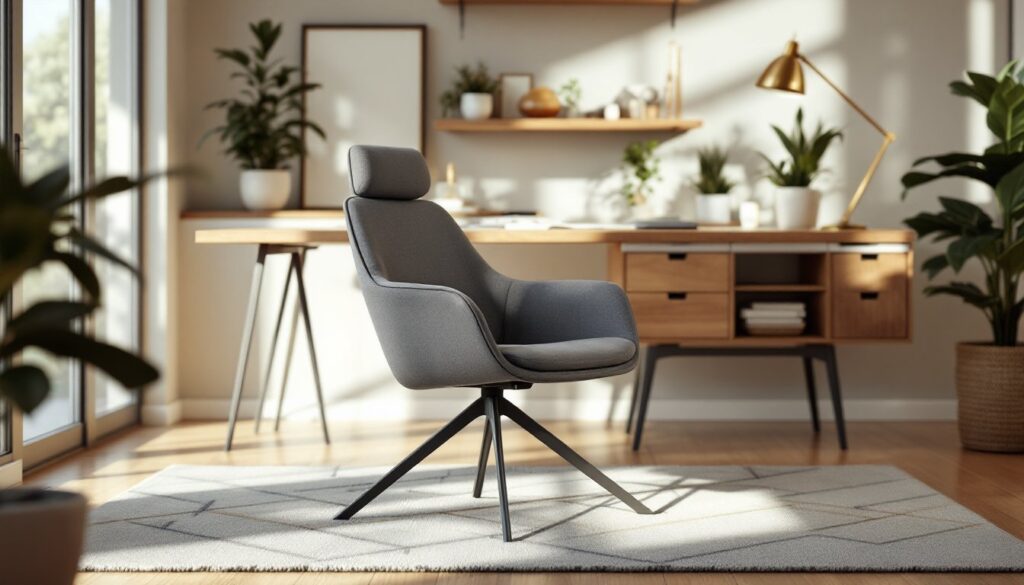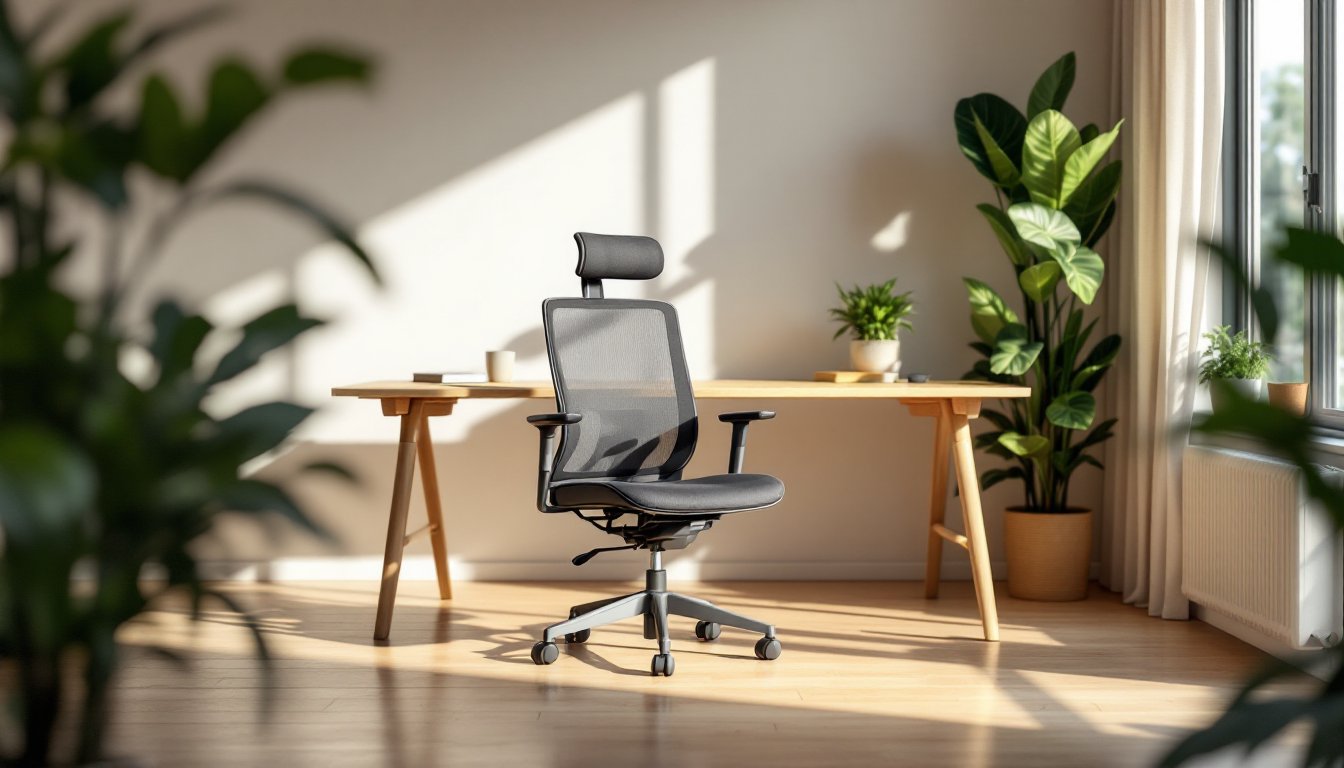
An armless mesh office chair strikes a balance between minimalist design and functional comfort, qualities that matter when you’re setting up a home office that actually works. Unlike bulky executive chairs with padded arms, these streamlined options save floor space while keeping your workspace uncluttered. Whether you’re upgrading from a kitchen stool or ditching a worn-out gaming chair, understanding what makes a quality armless mesh chair will save you money and frustration. This guide walks you through the essentials so you can spot a solid option when you see one.
Table of Contents
ToggleKey Takeaways
- An armless mesh office chair maximizes floor space and reduces clutter in home offices while offering 30–50% cost savings compared to models with arms.
- High-quality mesh with a 3–5mm pile and plastic/resin backing resists sagging and lasts 3–5 years, while proper seat height (feet flat on floor with 90-degree knees) prevents back strain.
- Stable five-point bases, quality casters, and multi-position tilt mechanisms ensure smooth movement without wobble or the annoying drift that worn pneumatic actuators create.
- Choose a backrest height of 16–18 inches for optimal lumbar support in functional home offices, or 20+ inches for additional neck support if you work longer than 8 hours daily.
- A 1–2 year warranty on mechanisms and a 30K–50K double-rub fabric durability guarantee indicate a reliable armless mesh chair manufacturer worth investing in.
Why Armless Mesh Office Chairs Are Ideal for Modern Home Offices
An armless design solves real problems in smaller home offices. Without arms, the chair sits flush against desks and workstations, eliminating the wasted inches that armrest-equipped models consume. This matters in tight corners or alcoves where every square foot counts.
Mesh fabric breathes. Unlike solid upholstery or leather that traps heat, mesh allows air circulation, crucial during long work sessions or in warm climates. Your back and legs stay cooler, which translates to fewer distracting adjustments throughout the day.
Cost is another driver. Armless chairs run 30–50% cheaper than comparable models with arms because manufacturers skip the hardware and upholstery for armrests. You’re paying for the skeleton and seat, not decorative padding.
These chairs also work in multipurpose spaces. A home office that doubles as a guest room or hobby zone benefits from a chair that doesn’t visually dominate. The absence of arms makes the silhouette slimmer and less imposing, blending better with modern interior design. Design publications like Design Milk regularly feature minimalist office setups where streamlined seating helps create a clean, intentional aesthetic.
Key Features to Look For When Shopping
Mesh Material Quality and Breathability
Not all mesh is created equal. High-quality mesh has a tight, uniform weave that resists sagging over time. Lower-grade mesh stretches out within months, creating a hammock effect where your spine doesn’t get proper support. When comparing, run your hand across the material, it should feel substantial, not papery or thin.
Look for mesh that’s treated for durability. Some cheaper models use plain nylon or polyester that pills, snags, or discolors easily. Better options feature nylon mesh with a plastic or resin backing, which reinforces the weave and extends the chair’s lifespan to 3–5 years of heavy use. This backing also makes cleaning simpler, dust and crumbs don’t sink into the fibers.
Breathability depends on mesh density and pile depth. A mesh with a 3–5mm pile (height of the fibers) offers comfort without trapping air. Anything thicker starts losing the cooling benefit: anything thinner feels cheap under your weight.
Seat Height and Base Stability
Adjustable seat height is non-negotiable. Your feet should rest flat on the floor (or a footrest) with knees at a 90-degree angle when seated. Most armless mesh chairs offer 5-6 inches of height adjustment, with a range from about 16 to 22 inches from floor to seat surface. Measure your desk height and subtract 10–12 inches to find the right range for you.
Base stability comes down to wheel design and the number of casters. A five-point base (five wheels) is the standard and works well on hard floors. Carpet requires softer wheels that won’t catch, while hard tile or wood needs slightly firmer casters to roll smoothly. Cheap wheels wobble and make noise: quality wheels roll quietly and track straight without resistance.
The tilt mechanism matters too. Look for a multi-position lock or tilt tension adjustment rather than a fixed back. This lets you recline slightly without feeling unstable. A gas cylinder that’s rated for your body weight (usually 250–300 lbs for mid-range models) ensures smooth up-and-down movement without drift, that annoying sinking feeling that happens with worn pneumatic actuators. Review platforms and home decor sites like Homedit often test and photograph office furniture setups where proper seat mechanics are visible in action shots.
How to Choose the Right Armless Design for Your Space
Start with your workspace dimensions. Measure the footprint where the chair will live, most armless models have a 24–26 inch width at the base. Sit it in the space mentally or, better, test one at a showroom if possible. Does it tuck under your desk? Can you roll backward without hitting a wall or shelf?
Next, match the backrest height to your needs. A lumbar-support backrest (16–18 inches tall) provides mid-back comfort without dominating the visual space. A tall, reclining backrest (20+ inches) offers more neck support but looks bulkier. For a home office that moonlights as a meeting space, a medium backrest is the sweet spot, functional without screaming “gaming chair.”
Consider the backrest material too. Mesh-only backs (no padding underneath) feel minimalist and stay cooler. Mesh over foam adds comfort and support for longer sessions, though it traps slightly more heat. The difference is noticeable on 8+ hour workdays.
Color and finish matter for cohesion. Black and gray mesh blend into most decor. Lighter meshes (tan, off-white) look airier but show dust more easily and can yellow over time. Look at your existing furniture, your desk, shelves, flooring, and pick a neutral that complements rather than clashes. Interior design resources like Homify showcase home offices where chair color is chosen deliberately to anchor or complement the room’s palette.
Finally, check the warranty. A 1–2 year manufacturer warranty on the mechanism (gas cylinder, tilt function) and a separate fabric durability guarantee (usually 30K–50K double-rub test) indicate a manufacturer confident in their product. Cheap chairs come with 30-day returns and no warranty, a red flag.
Conclusion
An armless mesh office chair works when you prioritize breathable material, adjustable height, and a stable base over flashy add-ons. Test or measure before buying, match the design to your space and work style, and don’t skip warranty details. A solid mid-range option will outperform a bargain-basement model by years and save your back in the process.