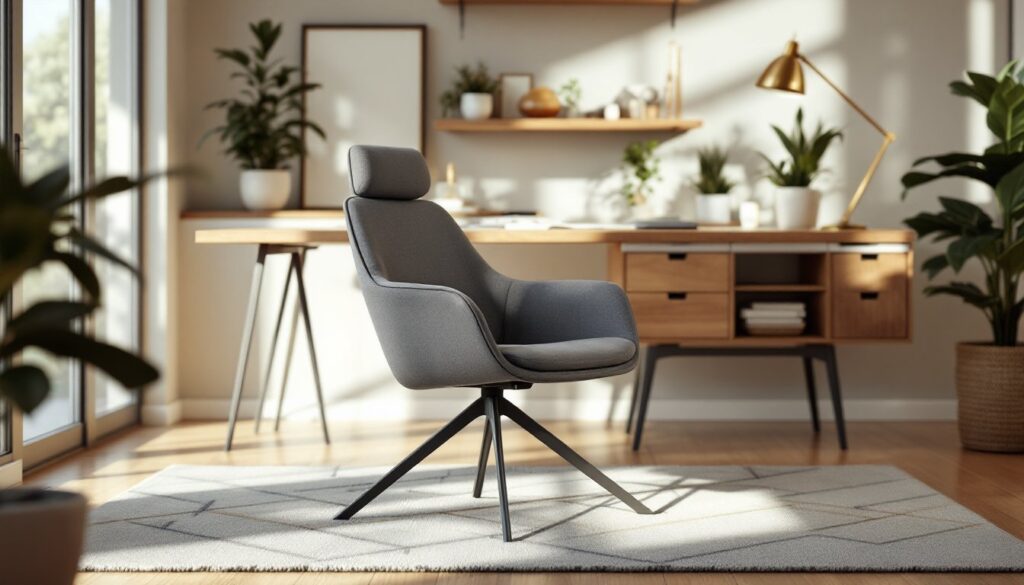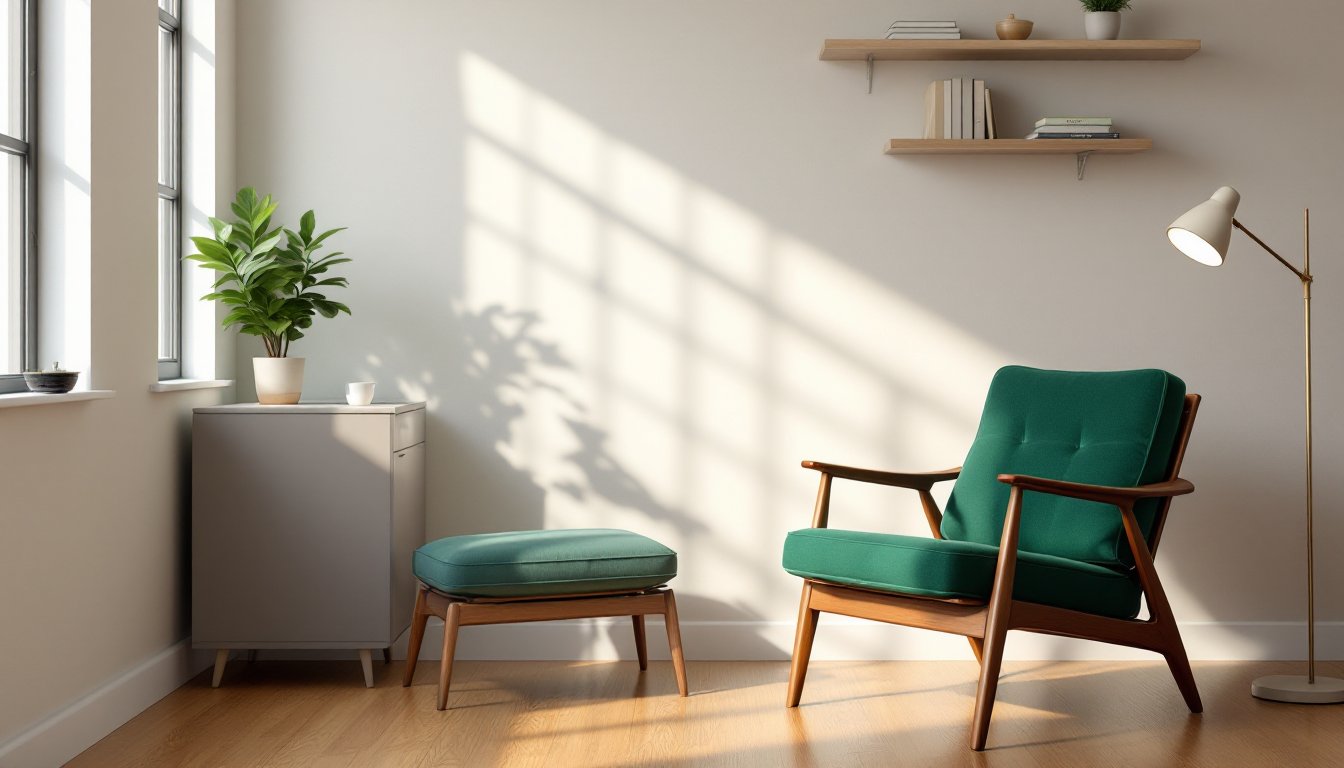
A well-chosen accent chair transforms a home office from a utilitarian workspace into a functional sanctuary. Whether you’re setting up your first home office or refreshing an existing one, an accent chair serves dual purposes: it adds visual interest to your room while providing essential seating for client calls, collaborative work, or a quick break from your desk. The right accent chair balances style, comfort, and practicality, three elements that often feel at odds but don’t have to be. This guide walks you through the essentials of selecting an accent chair that fits your space, budget, and aesthetic without sacrificing durability or comfort.
Table of Contents
ToggleKey Takeaways
- An accent chair for office transforms your workspace aesthetically while providing essential seating for client meetings and collaborative work, serving as both a design anchor and functional necessity.
- Prioritize frame quality, supportive lumbar support, and durable upholstery when selecting an office accent chair—features that ensure longevity and comfort during long work sessions are worth the investment.
- Optimal office accent chair specifications include seat depth of 20–24 inches, seat height of 16–18 inches, and armrests at 24–26 inches from the floor to support proper posture and desk-level work.
- Mid-range accent chairs ($400–$800) offer the best balance of durability and style; prioritize solid frame construction and performance fabrics over expensive add-ons like recline functions.
- Strategic placement in a corner diagonal from your desk or angled toward a window maximizes functionality while helping define your work zone, and positioning near a floor lamp creates an inviting reading area.
- An accent chair should be 60–80% the visual size of your primary office chair and complement your existing color palette—test fabric swatches in both natural and artificial lighting before purchasing.
Why An Accent Chair Elevates Your Office Space
An accent chair isn’t just seating, it’s a design anchor. Beyond the desk and shelving, an accent chair introduces texture, color, and personality into an office that might otherwise feel sterile or one-note. It breaks up visual monotony and can tie together a color scheme or emphasize architectural details already present in the room.
From a functional standpoint, a dedicated accent chair solves a real problem. When a client visits, your colleague stops by, or you need to take a call away from your desk, that secondary seat matters. Unlike a folding chair shoved in a corner, a proper accent chair says you’ve thought about the space intentionally. It signals that this room is a real work environment, not just a laptop-on-a-bed situation.
Psychologically, switching seating positions throughout the workday reduces fatigue and improves focus. Your primary office chair handles long stretches of sitting and screen time, but rotating to an accent chair for reading, brainstorming, or informal meetings breaks the monotony of the desk setup. The change in posture and perspective can reset mental energy, especially during afternoon slumps.
Style And Comfort Considerations For Office Seating
Comfort in an office accent chair differs from comfort in a living room lounge chair. You’re not necessarily sinking into deep cushions for movie marathons: you need supportive seating that won’t sabotage your posture during a two-hour work session. Look for chairs with a firm but padded seat, back support that angles slightly backward (around 100–110 degrees), and armrests set at roughly elbow height when you’re seated upright.
Style, though, depends on your office aesthetic and personal taste. Modern offices often call for clean-lined chairs with minimal ornamentation, think mid-century modern silhouettes or contemporary minimalist designs. Traditional or classic offices benefit from wingback chairs or designs with rolled arms and nail-head trim. Industrial spaces pair well with metal-frame chairs, upholstered lofts, or vintage leather pieces. The key is ensuring your accent chair complements (not competes with) your desk and existing furniture.
Upholstery material is critical. Leather and faux leather are durable and easy to clean, essential if clients visit or you eat lunch at your desk. Fabric upholstery offers more color and texture options but requires more maintenance and can stain more easily. Performance fabrics (like those treated with Crypton or Sunbrella) blend durability with variety, resisting spills and wear while offering the warmth of woven materials. Consider your lifestyle: do you have pets, kids, or a habit of coffee at your desk?
Key Features To Look For In An Office Accent Chair
When evaluating accent chairs, prioritize these non-negotiable features. Seat depth should range between 20–24 inches, deep enough to support your thighs without forcing you to perch on the edge, but not so deep that you’re left dangling your feet. Seat height typically runs 16–18 inches from floor to cushion, allowing your feet to rest flat on the ground when seated.
Back support is where many accent chairs stumble. Your lumbar region (lower back) needs gentle but consistent support. Some chairs angle the backrest upright: others recline slightly. Neither is inherently wrong, but test both if possible. A recline function isn’t essential but adds versatility if your chair will double as a break-room refuge during long workdays.
Arm height and width matter more than people realize. Armrests should be high enough to support your forearms at desk level (roughly 24–26 inches from the floor) but not so high they interfere with rolling your chair up to a table. Width-wise, 2–3 inches of padding provides comfort without making the chair feel too chunky for a modest office.
Finally, examine the frame quality. Hardwood frames (kiln-dried oak, maple, or birch) outlast softwood. If the manufacturer doesn’t specify the frame material, that’s a red flag. Eight-way hand-tied springs or high-density foam cores provide longevity: cheap sinuous wire springs fail faster. Don’t obsess over every spec, but a quality frame costs a bit more upfront and saves money over years of use.
Budget-Friendly Options Without Sacrificing Quality
A solid accent chair doesn’t require a $2,000 investment. Smart shopping means knowing where splurge-worthy features matter and where you can compromise. The frame and upholstery construction are worth the extra investment: cheap frames fail in 3–5 years regardless of aesthetics. Mid-range chairs ($400–$800) often hit the sweet spot, balancing durability with style and reasonable pricing.
If budget is tight, prioritize fabric type over add-ons like recline functions or swivel bases. A simple, sturdy chair in a durable performance fabric will outperform a fancy chair with poor-quality upholstery. Online retailers and warehouse clubs sometimes offer unexpected deals on quality brands: browse catalogs from mainstream furniture companies like West Elm, Article, or CB2 for seasonal sales.
Consider secondhand options from local estate sales, Facebook Marketplace, or Craigslist, many people buy accent chairs on impulse and sell them barely used. Inspect the frame for splits, check that springs aren’t poking through, and sniff for musty smells or pet odors. A reupholstering job might cost $300–$600 locally, so a solid vintage frame with tired fabric can still be a bargain.
Online brands like Wayfair, Overstock, or Amazon Basics offer no-frills options around $250–$400. These won’t rival handcrafted boutique pieces, but they’re functional and come with return policies, useful since you can’t truly test comfort through a screen. Modern design sites like Design Milk showcase contemporary accent chair options that balance aesthetics and value without very costly.
Placement And Layout Tips For Maximum Impact
Where you place your accent chair shapes how it functions and feels in the space. The corner diagonal from your desk is a classic placement, it’s far enough away to feel like a separate zone but close enough for easy conversation. This arrangement also helps fill an awkward corner that might otherwise feel empty or dead space in your layout.
If your office is small, avoid placing the accent chair directly across from your desk: it can feel confrontational and eats up precious floor space for movement. Instead, angle it toward a window or position it perpendicular to your work surface. A chair angled at 45 degrees toward a corner looks intentional and creates a cozy reading nook vibe.
Clearance matters. Your accent chair should be at least 2 feet from adjoining walls or furniture, allowing enough room to access it comfortably and preventing it from feeling boxed in. If your office is part of a bedroom or shared space, the accent chair can help define the work zone visually, a small space living layout often benefits from strategic furniture placement that signals different areas.
Lighting also influences placement. If your accent chair sits under a harsh overhead light, add a floor lamp beside it to create a softer, more inviting reading corner. Natural light is ideal if available, many people gravitate toward chairs positioned near a window. Think about traffic flow too: don’t place your accent chair in a high-traffic pathway or where someone opening a door would bonk into it.
Styling Your Accent Chair With Existing Decor
An accent chair should complement your office’s existing color palette and design language. If your office runs neutral (whites, grays, soft taupes), a patterned or jewel-toned accent chair adds visual interest without clashing. Conversely, if you’ve already incorporated bold colors or patterns in artwork or textiles, choose an accent chair in a complementary solid tone to balance the room.
Test color and pattern compatibility by pulling fabric swatches (many retailers mail them free) and comparing them against your wall color, desk finish, and other fixtures in daylight and artificial light. Colors shift dramatically depending on lighting, something that looks perfect in a showroom can feel off in your space.
Scale is equally critical. A massive barrel chair dominates a small office: a dainty wingback disappears in a spacious room. Your accent chair’s footprint and visual weight should feel proportional to your desk and other furniture. A good rule of thumb: your accent chair should be roughly 60–80% the visual “size” of your primary office chair.
Access design inspiration through platforms like Houzz, where you can search “home office accent chair” and filter by style, color, and room type. This isn’t about copying someone else’s setup: it’s about identifying which styles resonate with you and how others integrate accent seating into functional work environments. The same principle applies to planning: measure your space, take photos from multiple angles, and visualize how a new chair will interact with existing elements before purchasing.
Conclusion
Choosing an accent chair for your home office is a practical decision that yields both functional and aesthetic rewards. Prioritize frame quality and supportive comfort, align the style with your office’s design language, and place it thoughtfully within your layout. A well-selected accent chair becomes the room’s unsung hero, improving workflow, seating flexibility, and visual appeal without demanding attention. Take your time, test when possible, and don’t settle for the first option simply because it fits your budget. The right accent chair pays dividends in daily comfort and confidence in your workspace.