If you’re working from home, your office chair isn’t just furniture, it’s an investment in your comfort and health. Spending eight or more hours a day slouched in an old dining chair or worn-out seat can lead to back pain, neck strain, and reduced productivity. The good news is that finding an affordable ergonomic office chair doesn’t mean compromising on quality or support. In 2026, there are plenty of budget-friendly options designed to keep your spine aligned and your body supported throughout the workday.
Table of Contents
ToggleKey Takeaways
- An affordable ergonomic office chair prioritizes lumbar support, adjustability, and durable materials over brand names—delivering essential support without premium costs.
- Adjustable lumbar support, breathable mesh backing, and medium-density foam cushioning are non-negotiable features that prevent back pain and improve productivity during long workdays.
- Budget-friendly models from online retailers like Amazon and Wayfair include 30-day return policies and real user reviews, allowing you to test comfort in your actual workspace before committing.
- Shopping during peak sales seasons (back-to-school in July–August, year-end clearance, and holiday sales) and comparing total costs including assembly can maximize savings on ergonomic office chairs.
- A 5-point base with quality casters, adjustable armrests, and at least a 140–160 degree recline range are critical durability features found in affordable options that prevent long-term wear and strain.
Why Ergonomic Seating Matters for Your Home Office
Your body spends roughly a third of your life sitting. When done improperly, or in the wrong chair, sitting becomes a source of chronic pain and posture problems. Ergonomic chairs are engineered to support the natural curve of your spine, maintain proper hip alignment, and reduce strain on your shoulders and neck.
Without proper support, your muscles work harder to compensate for bad posture. This leads to tension headaches, lower back pain, and shoulder fatigue. Even a temporary ache can distract you from work, but long-term damage accumulates silently. Studies show that employees with adequate seating support report fewer sick days and higher productivity levels.
An affordable ergonomic chair doesn’t need cost hundreds of dollars. Many budget-friendly models incorporate the same foundational features as premium options: adjustable lumbar support, seat height adjustment, and breathable materials. The difference often comes down to build durability and additional bells-and-whistles, not basic ergonomic function.
Key Features to Look for in an Affordable Ergonomic Chair
When shopping for an affordable ergonomic office chair, focus on non-negotiable features that directly impact your comfort and health. Not every feature matters equally, and knowing which ones to prioritize helps you spend wisely.
Lumbar Support and Adjustability
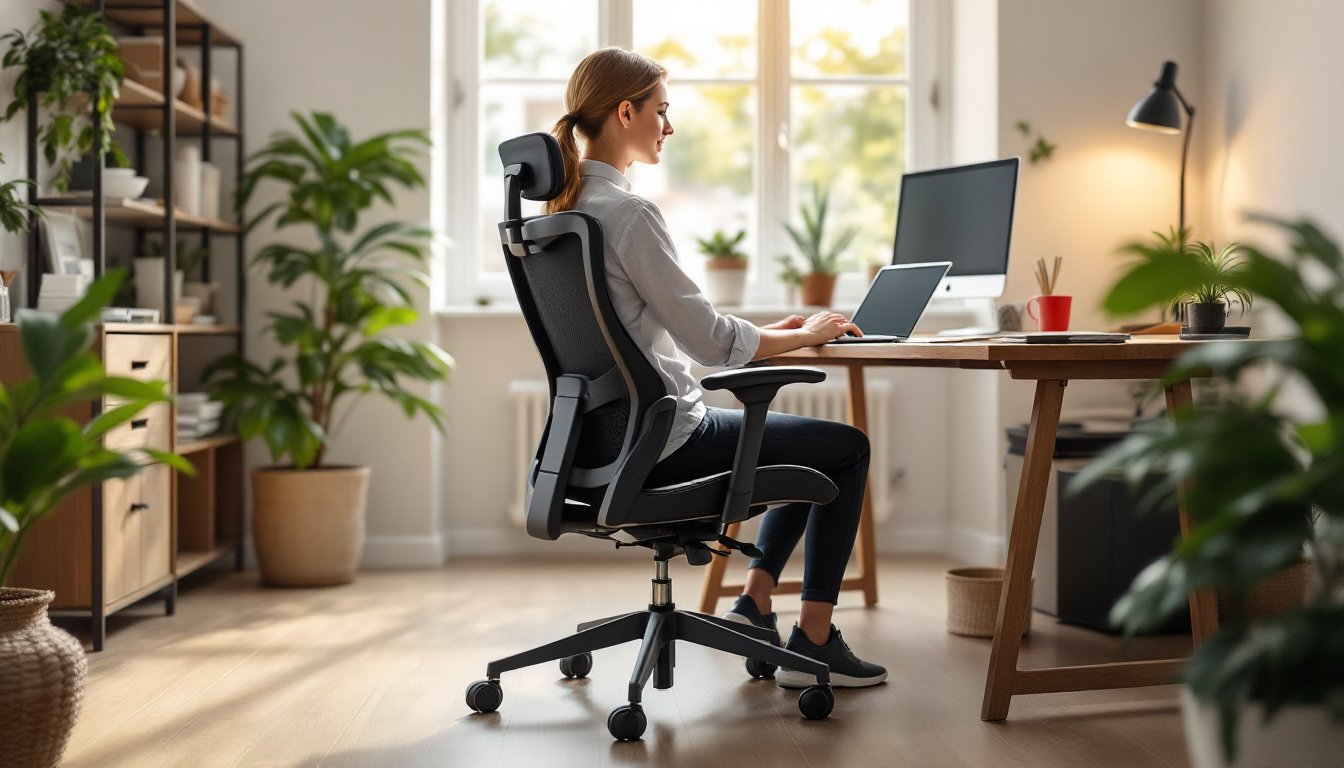
Lumbar support is the backbone, literally, of any good ergonomic chair. Your lower back naturally curves inward (lordosis), and your chair should support that curve rather than fight it. Look for chairs with adjustable lumbar support that lets you dial in the right amount of firmness and height for your specific body.
Adjustability is what separates an okay chair from a great one. Seat height should adjust easily without tools, and the range should accommodate users from roughly 5 feet to 6’2″. Armrest height and width should be adjustable too, they should sit about one inch lower than your elbows when your arms are relaxed at your sides. Tilt tension and recline capability let you adjust how the backrest responds to your weight, which matters throughout the day as you shift positions.
Don’t overlook the backrest angle. A 140–160 degree recline range gives you flexibility to sit upright for focused work or lean back for thinking or video calls. Budget chairs often use simple pneumatic cylinders for height adjustment, these work fine and are reliable. Tilt locks are standard and usually functional even on affordable models.
Material and Build Quality
The material you’re sitting on and the frame holding you up directly affect durability and long-term comfort. Mesh backing is common in affordable ergonomic chairs because it’s breathable, durable, and relatively inexpensive. Mesh prevents heat buildup during long sessions and is easy to clean. Some budget models use fabric or polyester blends, these feel softer but can trap heat and show stains more easily.
Seat cushioning should have enough density to support your weight without bottoming out. A thin, soft foam will compress after a few months: you want a cushion that holds its shape. Most affordable chairs use medium-density foam, which balances comfort and longevity. Genuine 11 best desk chairs for your home office reviews often benchmark cushioning durability against budget options.
The base and casters matter more than people realize. A 5-point base is standard and stable. Look for smooth-rolling casters appropriate for your flooring, hard plastic wheels for carpet, soft wheels for hardwood or tile. Wobbly casters or a flimsy base will frustrate you daily and wear out quickly. Check that the base is sturdy aluminum or reinforced nylon rather than lightweight plastic.
Arm construction is worth evaluating on budget chairs. Fixed arms save cost but don’t adjust. Height-adjustable arms are a sweet spot for affordable models, you get meaningful adjustment without the complexity (and cost) of fully articulating arms. Some chairs skip arms entirely, which is fine if you prefer a minimalist setup, but adjustable armrests significantly reduce shoulder strain during long workdays.
Budget-Friendly Shopping Tips and Where to Look
Finding an affordable ergonomic office chair requires knowing where to shop and what to watch for. Retail strategy matters as much as features.
Online retailers like Amazon, Wayfair, and Office Depot often have the broadest selection of budget ergonomic chairs and include customer reviews that give real-world feedback on durability and comfort. These platforms frequently offer return policies (usually 30 days) that let you test a chair in your actual workspace before committing. That’s valuable because what feels good for 20 minutes in-store might feel wrong after eight hours at your desk.
Walmart and Target stock affordable office chairs in-store and online. The advantage here is you can sit in chairs before buying, though their selection leans toward the very budget end (under $200). Facebook Marketplace and Craigslist can turn up barely-used office chairs at steep discounts, though you lose any warranty and take on the risk that a used chair’s components are worn out.
Price comparison sites help track seasonal sales. Office furniture often goes on sale during back-to-school (July–August) and year-end clearance periods. Presidents’ Day and Labor Day sales sometimes include office furniture too. Setting up price alerts on key models can catch deals you’d otherwise miss.
When evaluating price, compare the total cost including any assembly. Some retailers charge $30–50 to assemble, which eats into savings. Many affordable chairs ship mostly assembled, you just attach the base and wheels, which takes 10–15 minutes with basic tools. Check the assembly requirements before finalizing your purchase.
Read reviews carefully, but weight them correctly. A single bad review doesn’t disqualify a chair: look for patterns. If multiple reviews mention wobbly armrests or a failing pneumatic cylinder after six months, take that seriously. Conversely, one perfect review from a furniture expert counts less than five solid 4-star reviews from regular users who’ve logged real hours in the chair.
Warranty and return policy are your insurance. A 1-year warranty on the gas cylinder and base is standard for budget ergonomic chairs. Some manufacturers offer 5-year structural warranties. These exist because they know cheap materials sometimes fail, a warranty becomes important when they do. A 30-day return window lets you confirm the chair actually works for your body and workspace. If a chair shows up damaged or doesn’t feel right after a week, you want an exit strategy.
Don’t assume expensive equals better. A $400 chair isn’t five times as good as an $80 chair: you’re often paying for premium materials, add-ons (massage features, premium leather), or brand cachet. For basic ergonomic function, lumbar support, adjustability, decent materials, budget models deliver. You’ll find thoughtful home office design inspiration and practical workspace setups that show affordable seating working well in real homes.
Conclusion
An affordable ergonomic office chair is achievable in 2026. Focus on lumbar support, adjustability, and durable materials rather than chasing brand names or premium features you won’t use. Test chairs if possible, read real user reviews, and take advantage of return windows. Your back will thank you within the first week.