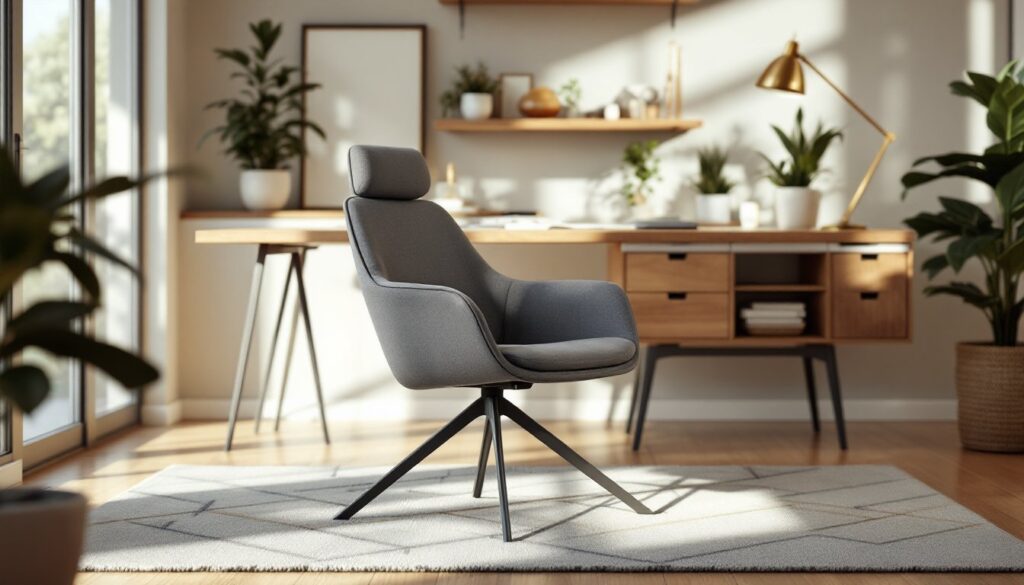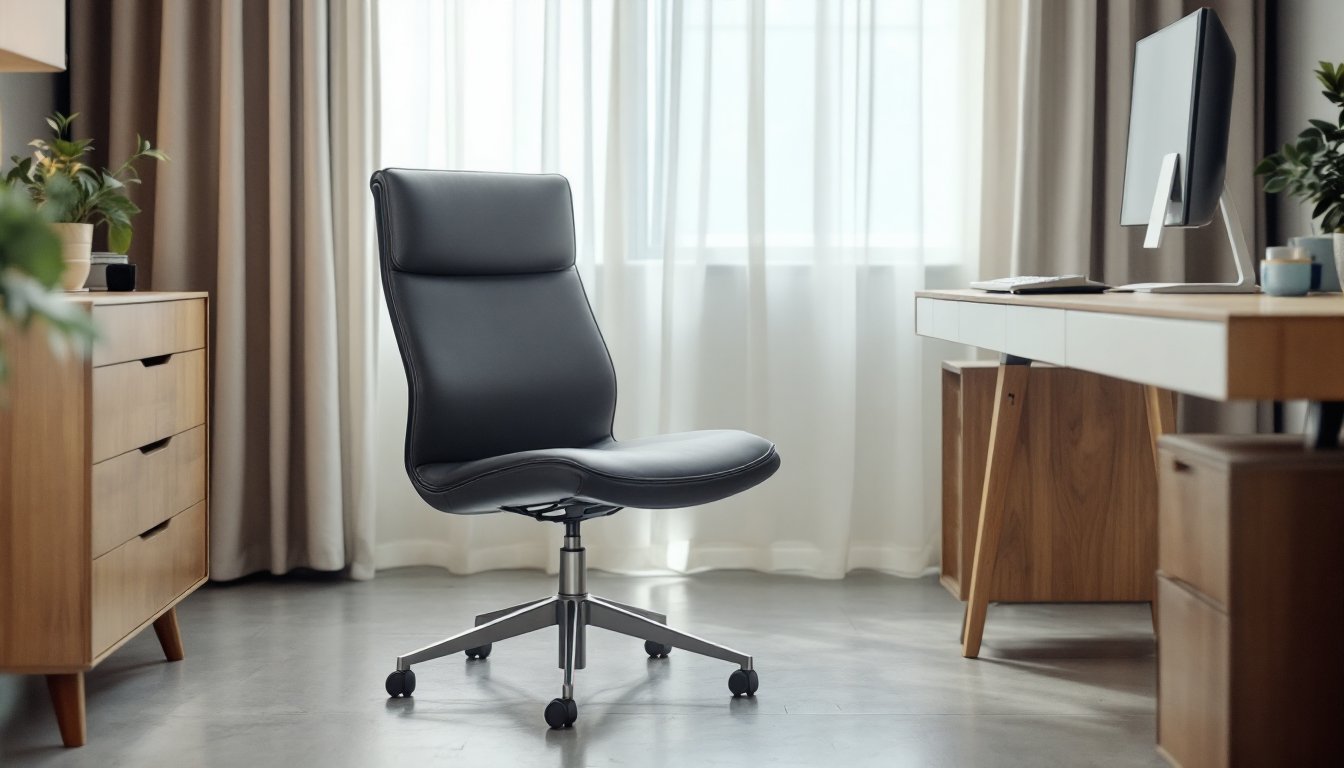
An armless leather office chair might seem like a minimalist choice, but it’s actually one of the smartest decisions for a modern home workspace. Unlike bulky executive chairs with arms that eat up desk real estate, an armless leather office chair delivers clean lines, flexibility, and that professional polish homeowners and DIY enthusiasts want. Whether you’re setting up a compact home office, redesigning your workspace, or upgrading worn seating, understanding what makes a quality armless leather chair worth the investment will save you money and frustration down the road. This guide walks you through the essentials: why to choose one, what features matter, design options that complement your space, and how to keep your investment looking sharp for years to come.
Table of Contents
ToggleKey Takeaways
- An armless leather office chair maximizes desk space, reduces shoulder and neck strain, and works flexibly with different workspace layouts and furniture configurations.
- Full-grain and top-grain leather are superior investments lasting 7–15 years with proper care, while bonded leather begins peeling within 3–5 years and represents poor long-term value.
- Prioritize high-density foam cushioning, adequate seat depth (2–3 inches from edge to knees), and integrated lumbar support in your armless office chair to prevent discomfort during extended work sessions.
- Design styles like mid-century modern, contemporary minimalist, and transitional designs offer distinct aesthetic appeals; darker leather colors and matte finishes hide wear better than light tones.
- Weekly dusting with a microfiber cloth, prompt spill cleanup, conditioning every 6–12 months, and protection from direct sunlight will keep your armless leather office chair looking professional for years.
Why Choose an Armless Leather Office Chair?
An armless leather office chair solves real workspace problems that traditional office chairs create. First, space: without arms protruding, you get more room to pull your chair under the desk, bringing your work surface closer and reducing strain on your shoulders and neck. This is especially valuable in smaller home offices where every inch counts.
Second, flexibility. Armless designs work with different desk heights, monitor placements, and even allow you to tuck your chair partially under the desk when not in use. You can also pull up alongside a colleague’s desk for pair work without arms colliding, a major advantage in shared spaces.
Third, leather delivers durability and an elevated aesthetic. Unlike mesh or fabric upholstery that traps dust and requires frequent vacuuming, leather wipes clean in seconds. It also ages beautifully, developing a subtle patina over time rather than pilling or fading. For professionals working from home, that refined appearance signals attention to detail.
And let’s be honest: an armless leather chair looks intentional and modern. You’re not buying the first cheap chair you find: you’re choosing seating that complements your workspace and respects your daily comfort.
Key Features to Look For in Quality Armless Leather Office Chairs
Leather Type and Durability
Not all leather is created equal, and understanding the difference between full-grain, top-grain, and bonded leather will prevent regret. Full-grain leather is the gold standard, it retains the natural surface, develops a patina, and lasts 10–15 years with care. It’s also the most expensive. Top-grain leather has the surface sanded smooth, making it uniform but slightly less durable than full-grain: expect 7–10 years of reliable use. Bonded leather is ground leather scraps mixed with polyurethane: it’s cheaper upfront but starts peeling after 3–5 years, making it a false economy for a chair you’ll use daily.
For an office chair, top-grain or full-grain leather is worth the investment. Check the manufacturer’s spec sheet, they’ll state the leather grade. If they’re vague, assume it’s not premium.
Color and finish matter too. Darker leather hides wear better than light tones, and a matte finish is more forgiving than high-shine. That said, leather patinas, slight discoloration and creasing, aren’t flaws: they’re proof your chair is getting use.
Comfort and Ergonomic Considerations
An armless chair puts all the responsibility on the seat and backrest, so get these right. Look for high-density foam cushioning, it should compress slightly under your weight but spring back when you stand. Budget chairs use thin foam that flattens in months: quality cushioning lasts years.
Seat depth should allow 2–3 inches between the edge and the back of your knees when seated. Too shallow and your thighs dangle: too deep and you can’t fully recline without sliding. Seat width matters: 16–18 inches is standard, but taller people appreciate a 19–20 inch seat.
Backrest height and lumbar support are non-negotiable. The backrest should reach at least mid-shoulder, and integrated lumbar support (usually a gentle curve or removable lumbar pillow) prevents lower back strain during long work sessions. If a chair lists “ergonomic” but has a flat back and thin cushioning, it’s marketing fluff, pass.
Design and Style Options for Your Home Office
Armless leather office chairs come in distinct design flavors, and matching your choice to your workspace matters for both aesthetics and function.
Mid-century modern is hugely popular right now. These chairs feature tapered legs (often wood or metal), a curved backrest, and minimal ornamentation. They pair beautifully with natural wood desks and complement warm, vintage-leaning color schemes. If your home office draws inspiration from classic design, this is your lane.
Contemporary minimalist chairs strip everything away: simple cylindrical backs, steel bases, and leather in black, charcoal, or rich brown. These feel at home in modern, industrial, or Scandinavian-influenced spaces. They won’t distract from your work or your decor.
Transitional designs bridge modern and traditional, think a curved leather back on a chrome or brushed-metal base. These are workhorses: they fit most aesthetic schemes and don’t demand specific complementary furniture.
Resources like Design Milk showcase contemporary furniture trends and can inspire your direction. Alternatively, armless accent chairs (slipper-style designs) offer sophisticated options if you want something with softer, more curated styling.
Color choice affects mood and light. Black and dark brown are professional and timeless: tan and caramel warm up a cool-toned office: burgundy and deep green add personality without overwhelm. One practical tip: avoid pure white or cream leather in a workspace, these show dust, coffee splashes, and pen marks immediately.
Caring for Your Armless Leather Office Chair
Proper care extends your chair’s life by years. Start simple: wipe the leather weekly with a dry, soft microfiber cloth to remove dust and prevent buildup. This alone prevents most grime from setting in.
For spills, act fast. Blot (don’t rub) with a damp cloth, then dry immediately with a soft towel. For sticky residue, coffee, ink, adhesive, use a leather cleaner formulated for office furniture, applied sparingly on a cloth, not directly on the chair. Read the instructions: some cleaners require conditioning afterward to restore moisture balance.
Condition your leather every 6–12 months, depending on humidity and use. Leather conditioner (not furniture polish, very different products) keeps the material supple and prevents cracking. Apply a small amount to a soft cloth, work it in with gentle circular motions, then buff away excess with a clean cloth. This is the difference between leather that cracks at 5 years and leather that looks great at 10.
Protect from direct sunlight. UV exposure fades and hardens leather over time. If your chair sits near a south-facing window, use a sheer curtain or reposition the chair if possible.
Check the base and casters monthly. Dust accumulates around wheels: a quick vacuum keeps them rolling smoothly. Tighten any loose bolts (most chairs have bolts attaching the base to the seat) once or twice yearly, this prevents wobbling.
If your leather does develop a small scratch or crack, minor damage can often be treated with leather repair cream matched to your chair’s color. More extensive damage (large tears, deep gouges) requires professional repair or upholstery work. Prevention through careful use and regular cleaning is far cheaper.
Conclusion
An armless leather office chair is an investment in both your workspace function and your daily comfort. By choosing quality leather, prioritizing ergonomic features, selecting a design that complements your office, and committing to regular care, you’ll get years of reliable, attractive seating. Homedit and similar design resources can help you finalize your aesthetic direction. Start with these fundamentals, measure your space carefully, and your next office chair will be one you actually enjoy sitting in, not just one you tolerate.