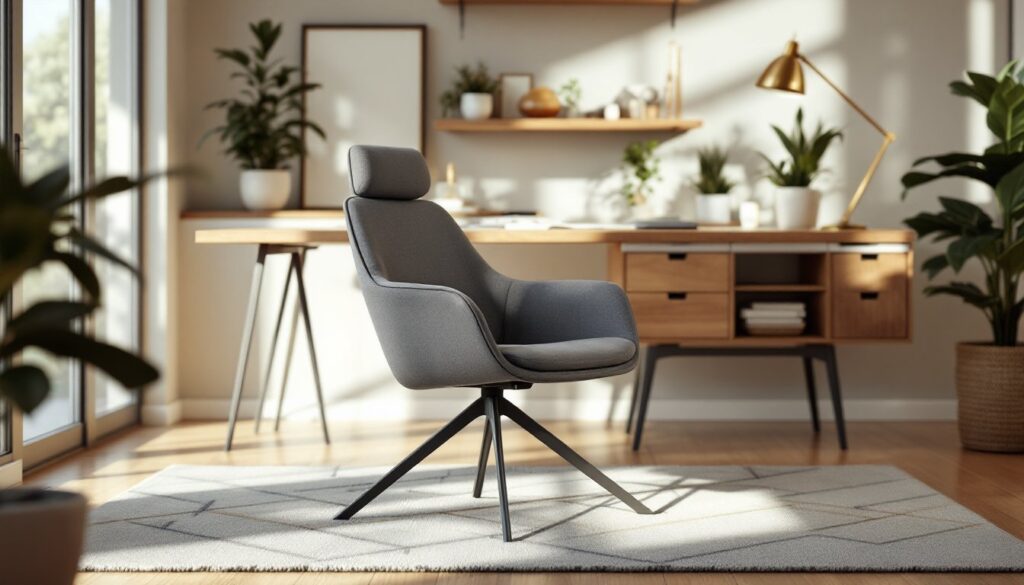
Tailbone pain, technically coccydynia, isn’t something most people discuss openly, but anyone who’s spent eight hours sitting in the wrong chair knows how miserable it can get. The coccyx is an incredibly sensitive area, and poor chair design puts direct pressure on it, triggering everything from sharp pain to persistent soreness that follows you home. If you work from home or spend significant time at a desk, choosing the right office chair isn’t just about comfort: it’s about protecting your body from unnecessary strain. This guide walks through what causes tailbone pain and which chair features actually help, so you can sit all day without paying for it later.
Table of Contents
ToggleKey Takeaways
- Tailbone pain occurs when chair design concentrates pressure on the coccyx, which lacks muscle attachments to distribute load like other vertebrae.
- The best office chair for tailbone pain features a contoured seat or cutout in the back, proper lumbar support, and a seat depth between 16 and 18 inches to distribute weight evenly.
- Seat depth and recline angle are critical: too-deep seats force you backward onto your tailbone, while a locked upright position tilts your pelvis forward and amplifies pressure.
- High-density foam (2.5–3.0 pounds per cubic foot) and gel-infused cushioning outperform mesh chairs and provide better tailbone support than thin seating materials.
- Test any chair for at least 5 to 10 minutes during normal work to verify you feel no direct tailbone pressure, and take advantage of 30-day return policies to ensure the chair works for your body.
- If tailbone pain persists even in a properly designed chair, consult a healthcare provider to rule out underlying conditions like coccydynia or herniated discs.
Understanding Tailbone Pain And How Chair Design Helps
Tailbone pain occurs when sitting pressure concentrates on the coccyx, a small triangular bone at the base of your spine. Unlike your other vertebrae, the coccyx doesn’t have muscle attachments to distribute load, so when you sink into a poorly designed chair, that bone takes the full brunt of your body weight.
Most office chairs compress this area because they feature a solid, flat seat pan with minimal support where it matters most. When you sit upright, your weight naturally shifts toward the back and sides of your pelvis, the sitting bones, or ischial tuberosities, but chairs don’t account for the gap between your sitting bones and your tailbone. That gap is exactly where the pressure builds.
The best chairs for tailbone pain solve this through three core design principles: they reduce direct pressure on the coccyx by contouring the seat or creating a cutout, they distribute weight evenly across your sitting bones, and they support the natural curve of your spine so you don’t slouch forward (which pushes even more pressure back toward your tailbone). A well-designed chair won’t eliminate tailbone pain entirely if you’re dealing with an underlying injury, but it removes the chair itself as a source of irritation.
Key Features To Look For In A Supportive Office Chair
When shopping for a chair that actually helps with tailbone pain, skip the marketing language and focus on specific, measurable features. The difference between a chair that works and one that doesn’t comes down to a few key design choices.
Seat Depth And Recline Angle
Seat depth matters more than most people realize. A seat that’s too deep pushes the front edge into the back of your thighs, cutting off circulation and forcing you to sit further back, directly onto your tailbone. Ideal seat depth runs between 16 and 18 inches (measured from the backrest to the front edge). When you sit, there should be 2 to 3 inches of clearance between the front edge of the seat and the back of your knees.
Recline angle is equally important. A chair that locks upright forces your pelvis to tilt forward slightly, which angles your tailbone downward and concentrates pressure. A recline range of 100 to 120 degrees allows you to shift your weight periodically without slouching. Many chairs with good recline also include adjustable lumbar support, so you can customize the lower back curve to match your spine’s natural shape.
Lumbar Support And Cushioning Materials
Lumbar support prevents the slouch that aggravates tailbone pain. When your lower back lacks support, your torso collapses forward, and your pelvis tilts backward, pushing your tailbone into the seat. High-density foam or adjustable lumbar support keeps your spine’s natural S-curve intact, distributing weight more evenly.
Cushioning material makes a tangible difference too. Memory foam and high-density polyurethane both compress under pressure but at different rates. Memory foam cradles your sitting bones but can trap heat and feel mushy after a few hours. High-density foam (typically rated at 2.5 to 3.0 pounds per cubic foot for office chairs) holds its shape longer and provides firmer support. Some premium options use gel-infused foam, which balances cushioning with temperature control.
Look specifically for contoured seat cushions with a slight depression where your sitting bones rest and a cutout or relief zone toward the back of the seat. This design shifts pressure away from your tailbone entirely, not just reducing it but eliminating direct contact.
Top Chair Options For Tailbone Relief
The chairs that work best for tailbone pain share a few traits: moderate to high-density cushioning, contoured or relief-zone seating, adjustable lumbar support, and seat depths in the 16 to 18 inch range.
Mesh and task chairs often disappoint because they sacrifice cushioning for breathability. While airflow is nice during summer, a thin mesh seat won’t help your tailbone. If you run warm, look for chairs with memory foam cushioning paired with breathable side panels rather than a fully mesh design.
High-backed executive chairs with thick, padded seats typically offer excellent cushioning but are sometimes too deep, pushing you further back onto your tailbone. Check depth specs before buying: many run 19 to 20 inches, which is too far. Ergonomic task chairs marketed for lower back support are a better bet, they’re engineered around proper posture and usually feature contoured seats designed specifically to accommodate the coccyx.
Gaming chairs have become popular for office work, and some are actually decent for tailbone pain. The wider, lower seat design and thick padding help, but many gaming chairs have poor lumbar support and sacrifice adjustability for looks. If you go this route, make sure it has adjustable lumbar support and a recline range that doesn’t lock upright.
When evaluating any chair, sit in it for at least 5 to 10 minutes before deciding. Many retailers allow returns within 30 days, which gives you time to test a chair during your normal work routine. Focus on whether you feel direct pressure on your tailbone after extended sitting, not just whether the chair feels luxurious for the first few minutes. As you’re shopping, modern design resources like Dwell showcase contemporary office furniture options that combine form with ergonomic function, and Design Milk regularly reviews contemporary furniture including task and office seating that prioritizes both aesthetics and body support.
Conclusion
Tailbone pain while sitting isn’t something you have to accept as the price of office work. The right chair, one with proper depth, lumbar support, and a contoured or cutout seat design, removes the chair itself as a pain source. Test chairs thoroughly before committing, prioritize adjustability over brand names, and remember that your sitting comfort directly affects your productivity and overall well-being. If pain persists even in a properly designed chair, consult a healthcare provider to rule out underlying issues like coccydynia or herniated discs.